
Our Property Developers Need help. Opinion Piece by Ian Thompson, Editor, The Build Review
Table of Contents
- The Changing Landscape of Community Building
- The Vision vs. The Reality
- Challenges Facing Our Industry and Property Developers
- The Economic Realities
- Outdated Standards and Design Challenges
- The Role of Councils and Government
- The Disappearance of Generational Developers
- Potential Solutions
- Conclusion
- Related Articles
The Changing Landscape of Community Building
The building and construction sector, arguably the largest employer worldwide, carries an immense responsibility. It provides the bedrock of infrastructure and shelter, fuelling the growth of businesses and communities. Yet, it seems the tradition of building communities is gradually fading, largely due to our evolving lifestyle habits. We no longer interact with our neighbours on the footpath to the local store, nor do we often see neighbourhood children playing football in the streets. Our habits have changed, and so too have our buildings.
Providing shelter for all is a fundamental obligation for our governments. Not in the literal sense of building homes, but in ensuring a clear and accessible pathway to affordable housing.
The Vision vs. The Reality
Imagine if all buildings were energy efficient, sustainable, and healthy – offered ample off-street parking, privacy, and recreational space, and most importantly, are affordable. Unfortunately, the trend leans towards fitting smaller buildings into even smaller spaces, with no corresponding decrease in price. To me building on sections as small as 300m2 is mindboggling for so many reasons. This raises a question: what are the obstacles preventing us from building better?
Challenges Facing Our Industry and Property Developers
There are several theories: outdated building codes and standards that don’t accommodate better building methods, slow and prohibitively expensive councils, overpriced supply chains, fewer experienced resources, and poor workmanship. While these factors may play a part, I believe the primary issue lies in our reluctance to embrace change and adopt more efficient building systems, building practices, and sustainable products. Also, we seem to be losing the art of creating beautiful spaces, instead producing characterless estates that fall way short of their promises.
Given these hurdles, who would willingly want to be a property developer in this climate? And without seasoned property developers who builds our homes?
The Economic Realities
Land prices are not getting cheaper, council fees and developer contributions are exorbitant for the services they provide, and material costs are unpredictable. Banks lend you an umbrella when it’s sunny and ask for it back when it rains. With limited competition, red tape, and a dwindling skilled workforce, the challenges seem insurmountable.
So why do we resist standardisation, simplicity, collaboration, and change? Is everyone wearing blinkers? Is it fear of competition or accountability? Or have we just made it too complex, bureaucratic, and difficult to build affordable, healthy, energy efficient, and beautiful buildings?
Outdated Standards and Design Challenges
Some of our building standards have not kept up with the advances in technology, and other knee-jerk standards are very costly and ultimately unnecessary if we could only build to a higher standard.
Designers are not exempt from the spotlight either; designing buildings that really shouldn’t be built in certain environments, especially when builders struggle to implement the more intricate design details in the build.
The Role of Councils and Government
The disconnect between our councils and governments is perplexing. The rise in legal cases against councils brought by property developers is alarming – and most of these cases are won by the plaintiff which surely tells its own story. Councils should be supporting our developers, doing everything possible to help them deliver affordable housing as quickly as possible. Ask any designer, builder or property developer what they think about their councils and I’m sure there won’t be many glowing reports.
Councils need an effective overarching body who monitors their performance and KPIs – and takes action when they don’t perform. After all, we have council members who earn more than our Prime Minister – and come to think of it many public sector CEOs as well. Yet there seems no reduction in the millions of dollars in wasted taxpayers’ money on projects that never materialise. At times this feels like a scene from a Wild West Movie, everyone shooting everyone in a packed saloon.
The Disappearance of Generational Developers
Unfortunately, long-standing generational property developers are disappearing, and those who remain are forced into making shortcuts just to stay afloat, often producing structures that lack pride and quality. So, what could be the solution?
Potential Solutions
Why aren’t we exploring opportunities to build in less populated areas, incentivising businesses to relocate and create jobs? Let’s look to build in areas where land is cheaper, and jobs are created. But it’s also essential to parallelly focus on delivering improved infrastructure to these new areas. Let’s stop overburdening and ruining our existing city hubs with increased housing intensification that’s creating more problems than it solves.
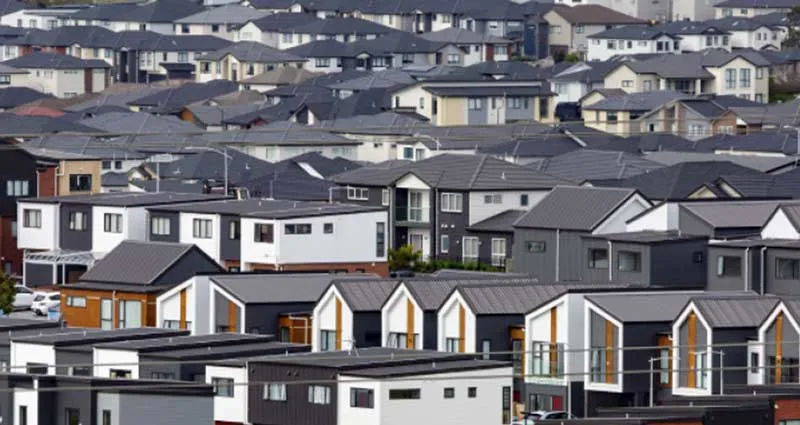
Whether you believe in climate change or not, our weather is getting more extreme, and I fear our current housing construction methods are just not robust enough and adding yet more pressure on our aging and outdated drainage systems.
Making it easier to adopt advanced building systems and sustainable products is, in my opinion, a genuine solution to our dwindling workforce and building efficiency challenges. By simplifying council roles and removing their building liability, we can place more accountability on developers to build better and more affordable buildings, by empowering them to use more efficient building systems and practices. Let’s just make sure we do it in a way that makes it simple, sensible, and practical for all parties involved!
Finally, promoting standardisation, enhancing local manufacturing capability, and endorsing off-site manufacturing could revolutionise our building industry. Can we work together to transform our building sector into an enjoyable and profitable endeavour again? And the cherry on top of the cake; can we start building beautiful places that we all enjoy and want to promote?
Conclusion
Our Property Developers are by no means perfect, and believe me I’ve met some real characters, but they more than many need help, and they’re not getting it. They are carrying the greatest financial risk and councils should be mindful that pulling the rug from beneath their feet affects us all.
The challenges facing property developers are multifaceted – from economic pressures and outdated regulations to a lack of support from local authorities. However, by embracing change, adopting new technologies, and fostering collaboration between all stakeholders, we can create a more sustainable, efficient, and beautiful built environment.
It’s time to recognize the crucial role property developers play in shaping our communities and to provide them with the support and framework they need to succeed. Only then can we hope to address our housing challenges and build the communities we aspire to live in.
Related Articles
Navigating Real Estate: Our Buying and Selling Property Tips.
Evergrande: China property giant files for US bankruptcy protection