Table of Contents
Listen to: Affordable Housing Is Achievable, But…
Introduction: Why the Global Housing Crisis Isn’t Being Solved – And What Actually Works
The construction industry hasn’t meaningfully improved in 100 years while housing costs soar and quality plummets. In today’s audio post I reveal my thoughts on why proven, affordable housing solutions from around the world remain ignored, how systemic industry resistance blocks progress, and what designers, developers, and governments can do to finally deliver homes people can actually afford.
From Vienna’s success stories to New Zealand’s failures, discover the evidence-based alternatives the building industry doesn’t want you to know about.
Audio Transcript
It seems everyone’s talking about affordable housing, governments, property developers, designers, large consultancies, and many of them don’t seem to know how to actually deliver it. I don’t say that to be provocative. I say it because it’s true, and the proof is all around us.
The reality is housing keeps getting more expensive. Smaller houses on smaller lots, soulless, ugly, unhealthy. In New Zealand, 56% of homes, old and new, are officially classified as too unhealthy to live in. Mold, poor insulation, badly designed and built.
Meanwhile, building efficiency is still declining with trades averaging three productive hours per day on site. Here’s the uncomfortable truth. The global building industry as a whole is one of the only sectors that hasn’t meaningfully improved in the last 100 years. Every other industry automated, optimized, increased efficiency, made better products for less money with more profit.
What about building and construction? We’re still doing the same things, rinsing and repeating, but hoping for better results. Albert Einstein called that the definition of insanity.
So, why does this happen?
When I asked New Zealand’s housing department if they’d be interested learning about a tool that we developed to help them design and build more efficiently, they said, “No thanks.” Yet, in the last 5 years, they’ve produced some of the most expensive state housing in the world. Costs that are difficult to justify by any reasonable metric.
This isn’t stupidity. It’s systemic hubris. an entire industry convinced it knows best when what it really knows is what its always done. Designers specify what their local supply chain pushes. Builders build what they’ve always built. Many suppliers and trades profit from keeping things exactly as they are.
Here’s the industry’s unintended secret. There are literally thousands of different building systems and building practices used around the world that are faster, cheaper, and perform better than what many countries traditionally use.
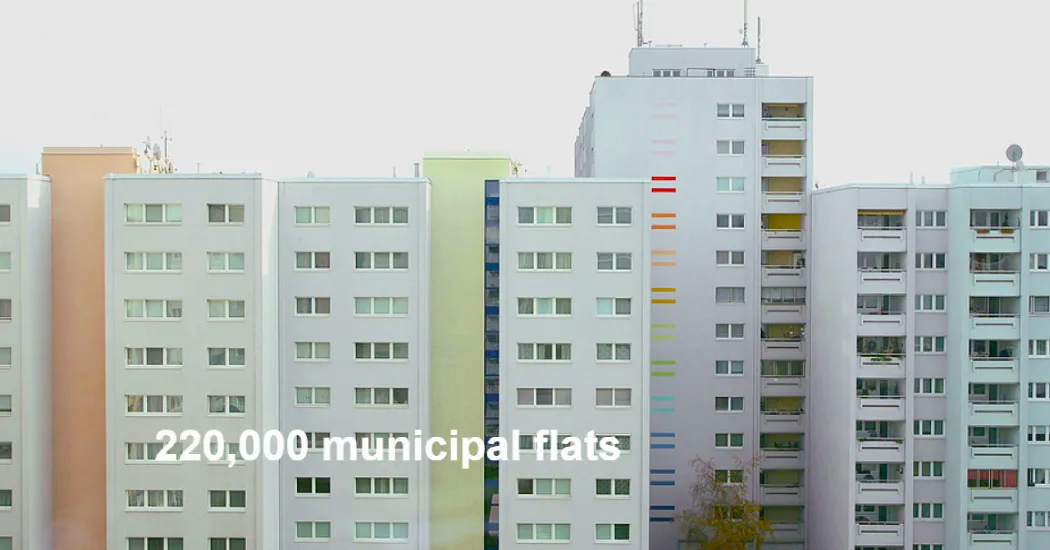
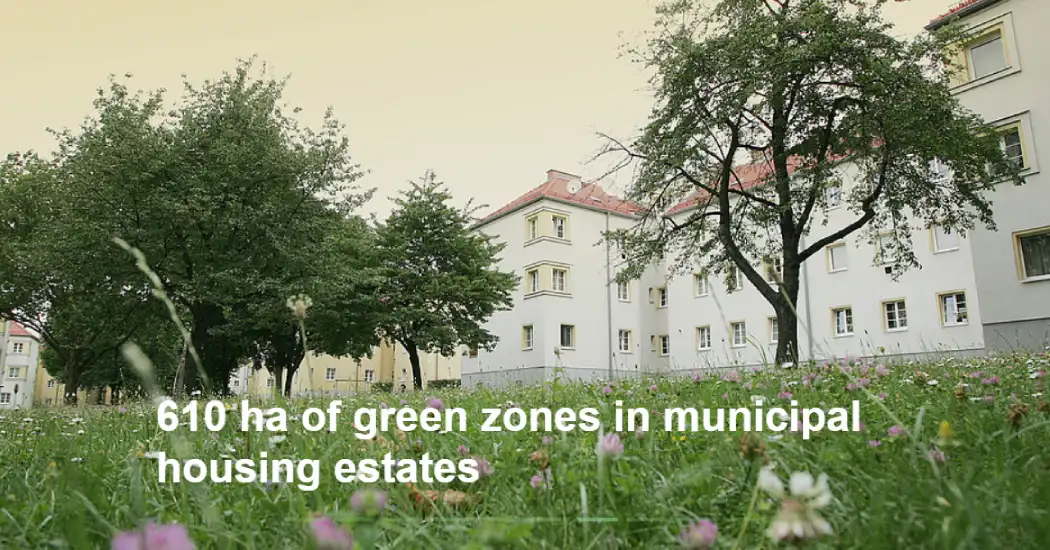
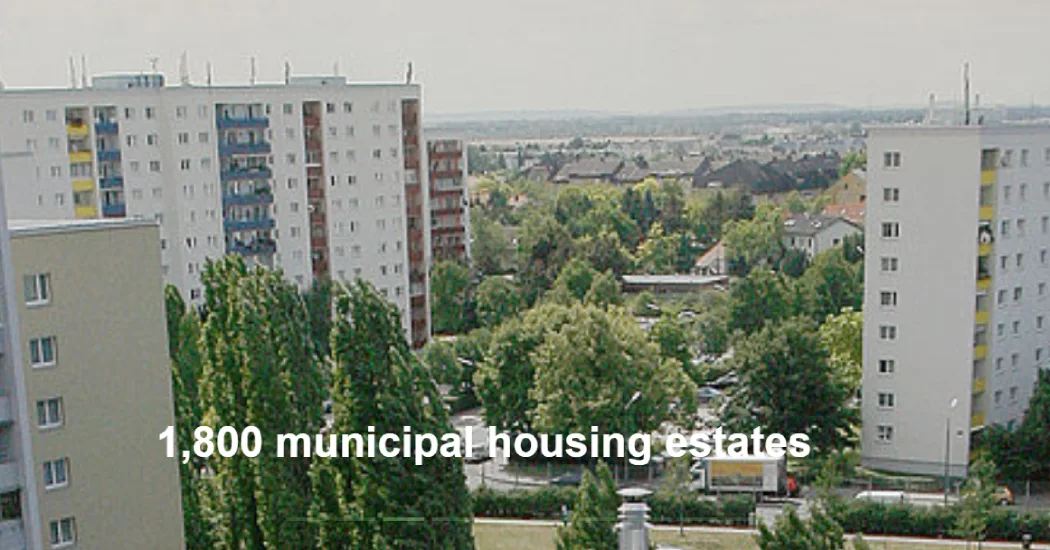
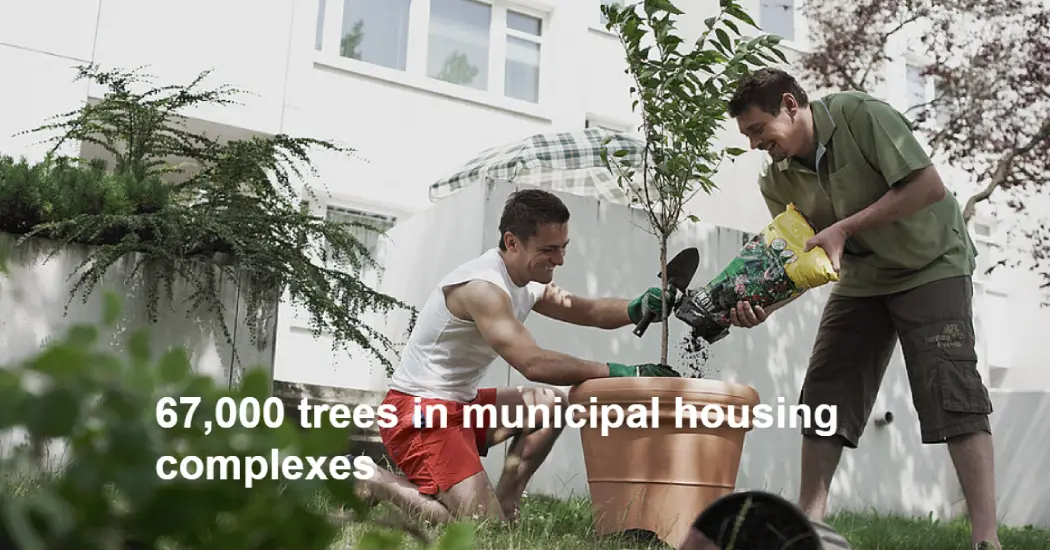
Social housing projects in Vienna, for example, are a testament to proper affordable housing. They’ve built beautiful, well-designed homes that their citizens love and can afford. These affordable housing solutions exist. They work. They’ve been proven for decades in some cases. They’re not buzzwords or greenwashing. These are real projects that work.
So, what do we do? We stop asking the industry to change itself because it won’t. We give proactive designers, developers, and customers the tools and knowledge to demand better. We show them what’s actually possible. We prove that affordable, high-quality housing isn’t a fantasy. It’s just being built somewhere else.
That’s our mission at the Build Review. Evidence-based building decisions, real alternatives. Knowledge that exposes what you’ve been told is impossible is actually just unfamiliar. If we don’t change how we build, there are only two outcomes. Private developers keep struggling to build homes very few can realistically afford, or government step in and build everything, and your taxes go up to pay for it. Either way, we all lose.
So, let’s stop talking about change and actually implement it because hoping for change isn’t a strategy. If you want to learn more, visit buildreview.org or contact us at [email protected].
Related
Do we really know what we’re building, and why?