If we Started Again, What Could New Zealand 2026 Become?
Part 1 of 2: The systems that hold us back
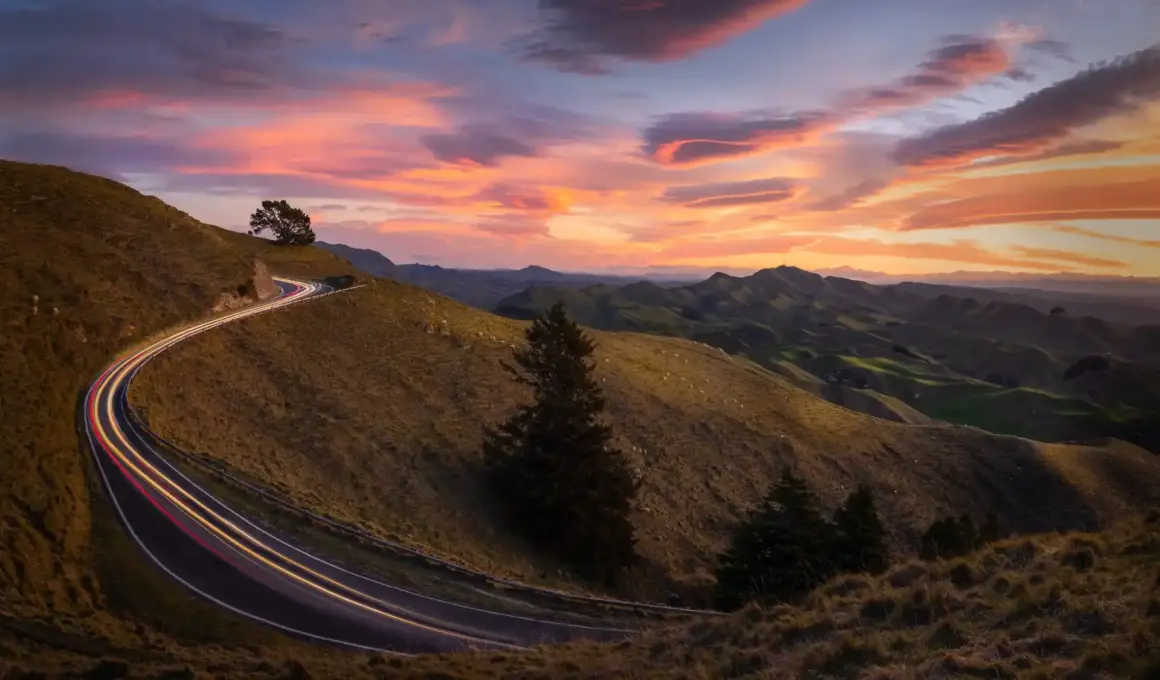
Imagine a country with some of the most breathtaking landscapes on Earth. A place blessed with abundant natural resources, capable of becoming one of the most sustainable and self-sufficient nations in the world. A manageable population. A fairly new country. A place where you can produce food cheaper than almost any country in the world.
That country exists; it’s called New Zealand.
Now let’s forget the nuances, the inefficiencies, the steady drift backwards over the last decade or so. Let’s imagine we could start again. Plan a new way forward, not just the next three years, but 10, 20, or 30 years ahead. Not layering band-aids on band-aids but really starting fresh. New ideas, begged, borrowed, or stolen from countries in a better position than us.
Our remit: build a country that’s affordable to live in. Clean. Healthy. Where things actually work. A first-class education and healthcare system. Infrastructure so good that business owners don’t care where they live, because everywhere works. People queue up to live here. And councils so efficiently run that our rates become among the lowest in the OECD.
Could we rename that country Great Zealand? Britain lost that word – maybe we could use it now it’s spare?
I’ve been reflecting on many things this Christmas, and in particular where I want to live in the next few decades of my life. Twenty-five years ago I was adamant that I wanted to move to New Zealand from the UK. Now I’m asking the same question again. My kids have already made their choice. One has left for foreign shores, two more will likely follow. They’re not alone.
So what would reverse the trend? What would make the young, and not so young New Zealanders stay, or come back?
I write this with 35 years of civil and structural engineering experience across Europe and Australasia, so my focus is skewed towards what we’re building around us. Does our built environment inspire us or make us cringe?
I designed and built my current home to a higher standard than 99% of houses in New Zealand, at a cost well below the minimum for a traditional build. I’m not saying that to tap myself on the back, I’m saying that because it’s possible. But I also invested over $75,000 on my own rainwater and septic treatment system because the council doesn’t provide these services. My rates remain punishingly high. But even with these services shortcomings. it can be done.
These are the dreams of a simple father and business owner living in Auckland. Indulge me for a moment. Let’s dream together.
Take Infrastructure Out of Politics
What if we took a substantial infrastructure budget – say $5B or $10B a year and removed it entirely from the hands of politicians? Place it with a proper, independent infrastructure body tasked with planning the New Zealand of the future.
Rather than concentrating everything in three main hubs, we could have ten, or even fifteen. Incentivise businesses to relocate. Encourage skilled immigrants to settle in these regions for a minimum of five years. Spread opportunity across the country instead of choking it into Auckland, Wellington, and Christchurch.
A three-year political term is simply too short for meaningful infrastructure planning. Add coalition dynamics and you end up with politicians chasing votes rather than pursuing what’s genuinely best for the country. What if we borrowed money in a proactive, sustainable way? Not to balance books after previous governments’ missteps, but to genuinely build a better New Zealand.
Rethink Councils and Rates
I would fundamentally restructure our councils. Currently, they’re top-heavy, expensive organisations that add little real value. They constantly have their hands out for higher fees, development contributions, and costs that will never help create an affordable housing environment. When you add up rates, development contributions, consent fees, and compliance costs, they are arguably the biggest tax in New Zealand in some cases.
Consider rates. Why are they calculated on theoretical property value rather than services used? How many people have lived in the same house for fifty years, bought when it was modest and affordable, now facing rates tagged to valuations inflated by circumstances beyond their control? Retirees being priced out of homes they’ve owned for decades. That’s not a system. It’s a slow-motion eviction.
Meanwhile, a dwelling with ten occupants consuming significantly more services pays less than a rural property with no footpaths, no street lighting, no public transport, and roads in deplorable condition. Where’s the logic?
We have mayors and council executives earning salaries that would make many private business owners wince. If salaries reflect performance, how do we justify vast pay packets when rates rise so often? That’s not efficiency. That’s an organisation bleeding money. If it were in the private sector, it would have gone bust decades ago.
In Part 2, I’ll look at why our building code isn’t working, what we’re actually building, and whether there’s a way forward. We’ll publish that tomorrow.
An engineer in Auckland, still dreaming
Related
Living in New Zealand: My Honest 25-Year Review (Pros & Cons)