Table of Contents
- Is designing and building affordable housing a lost art?
- The Real Affordability Crisis
- Development Contributions: The Hidden Tax
- Intensification: Solution or Social Experiment?
- The Construction Industry’s Inefficiency and Lack of Collaboration/Education
- The Land Banking Issue
- Profits vs. People
- A Better Path Forward
- The Courage to Change
- Related
Is designing and building affordable housing a lost art?
Over the last decade, I’ve watched governments and organizations tackle affordable housing with grand promises and mediocre results. My fascination with this issue began personally – when I set out to design and build my family home in Auckland, New Zealand, with maximum affordability in mind.
I created a house that exceeded New Zealand’s building code by roughly 300% in structural strength and energy performance. What pleased me most wasn’t the performance, but the valuation: worth nearly 40% more than my combined land and construction costs – and I used a building system that was pretty much unheard of in New Zealand.
This raised an uncomfortable question: If I could build a high-performance home with this potential profit margin, then why can’t large organisations with many more skilled resources and financial backing deliver affordable homes at scale?
The Real Affordability Crisis
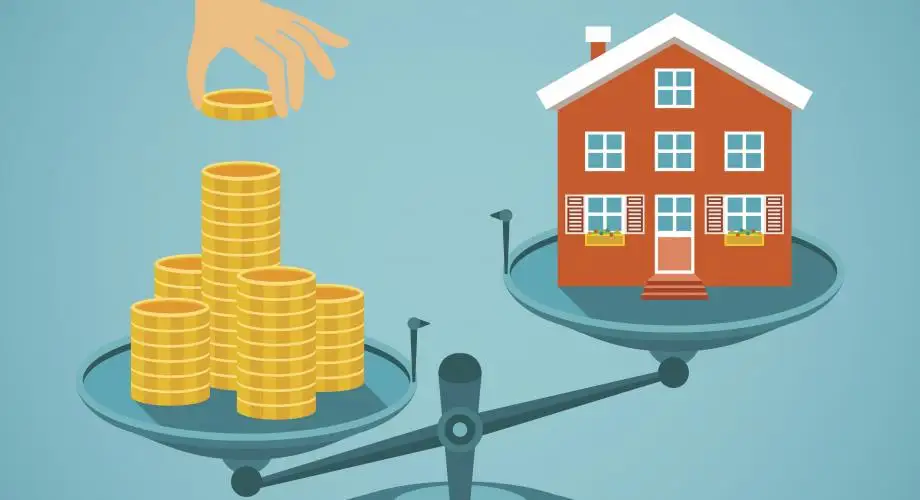
Let’s cut through the noise. A house is “affordable” when ordinary people, like me, can buy it without financial suicide. Right now, they can’t.
The numbers tell a devastating story. In New Zealand, median house prices are now 9-12 times median annual household income in major cities. Traditional mortgage wisdom suggested housing should cost 3-4 times annual income. This massive gap has forced longer mortgage terms, higher deposit requirements, and families stretching their budgets to breaking point.
Young families need dual incomes just to afford basic housing, even delaying or preventing them from having children. When both parents must work full-time to keep a roof overhead, what happens to family formation? To community involvement? To the mental health of parents and children?
Have we considered that our housing crisis isn’t just economic but existential? When people are under financial pressure all sorts of things go wrong. Mental health and crime increase – which is another financial burden on the taxpayers.
Development Contributions: The Hidden Tax
Why aren’t we outraged that council development contributions can add $50,000-$100,000 to a new home before the first nail is hammered? Why isn’t our government tackling this very issue? Or do they welcome the income? Are we robbing Peter to pay Paul?
These taxes, sorry fees – have ballooned beyond reason. In Auckland, development contributions can exceed $60,000 per dwelling. For what? Often to fix existing infrastructure deficits rather than support new housing.
Ask any developer about their biggest frustration, (ignoring consent and inspection delays for a moment) and excessive development contributions will be near the top of the list. These costs inevitably get passed on to homebuyers, creating a hidden tax that few homeowners realize they’re paying.
Meanwhile, in parts of Germany, development contributions are capped at a percentage of construction costs and must be tied to specific infrastructure improvements directly serving the new development. Their housing markets seem to function far better than ours. Coincidence?
But the truth is we already pay road and fuel taxes that contribute to the upkeep and development of our roading infrastructure. Also, our developers also fit the bill to upgrade the access to their developments where necessary (not the council), so where is this extra money going? The argument is if the development contribution is not directly addressing the added housing, then why are the developers being required to pay these enormous fees? Could reducing the cost of a house by $50k help affordability?
Where is the itemized accounting for these funds? If I pay $60,000 in development contributions, I should be able to see exactly which pipes, roads, or community facilities my money helped build. This basic accountability is mysteriously absent.
When local governments use new housing as a cash cow to fund decades of deferred and unmanaged maintenance, affordability becomes impossible. Why aren’t we demanding transparency on how these funds are actually spent? Even if we did ask, I’m not sure the councils can tell us where it’s being spent.
These development contributions represent one of the largest yet least scrutinized components of housing unaffordability—a silent tax that strangles new housing supply while failing to deliver the infrastructure improvements that supposedly justify its existence.
Another key point is building on a piece of land always increases revenue for the local council. For example, a developer takes a piece of bare land with current council rates of $10k per annum and adds 300 houses. Even if the rates were $5k per house they have suddenly added $1,490,000 to their revenue. So, when there are so many financial benefits (yes, some costs too) for a council to encourage developments, why do they make it so difficult and expensive?
I truly am fed up with New Zealand’s councils. I wonder if you can tell 😉
Intensification: Solution or Social Experiment?
The chorus chants “build up, not out” – but at what social cost?
When we stack people in apartments without adequate green space, community facilities, or adequate sound isolation, are we creating housing or future ghettos? Do planners pushing intensification actually live in the environments they’re creating?
Tokyo and Vienna have managed density with dignity – preserving light, privacy, and community spaces. Meanwhile, many North American and Australian high-density developments have created anonymous, alienating environments where residents barely know their neighbours. What happened to building real, thriving communities?
What makes us think we can intensify successfully when we’re unwilling to invest in the public infrastructure that makes density liveable?
The Construction Industry’s Inefficiency and Lack of Collaboration/Education
Why does it still take roughly 22 tradespeople and 9-12 months to build a standard house in New Zealand?
In construction, time and resources (mainly people) equals money – and we waste both spectacularly. The industry’s fragmentation creates a blame game where:
- Architects design without considering buildability
- Councils cost projects dearly with delayed inspections, administrative overheads, and lack of skilled staff and training. Quite frankly they are a law unto themselves. Who holds them to task? And why is there so much litigation against our councils with the taxpayers picking up the bill? And let’s not mention Watercare – what a mess this organisation has caused, cutting off new water connections for 7 years to new developments in certain Auckland areas. I am just thankful I don’t own development land in these areas.
- Tradespeople heavily pad estimates to cover uncertain timelines and material costs.
- Subcontractors juggle multiple sites to stay profitable
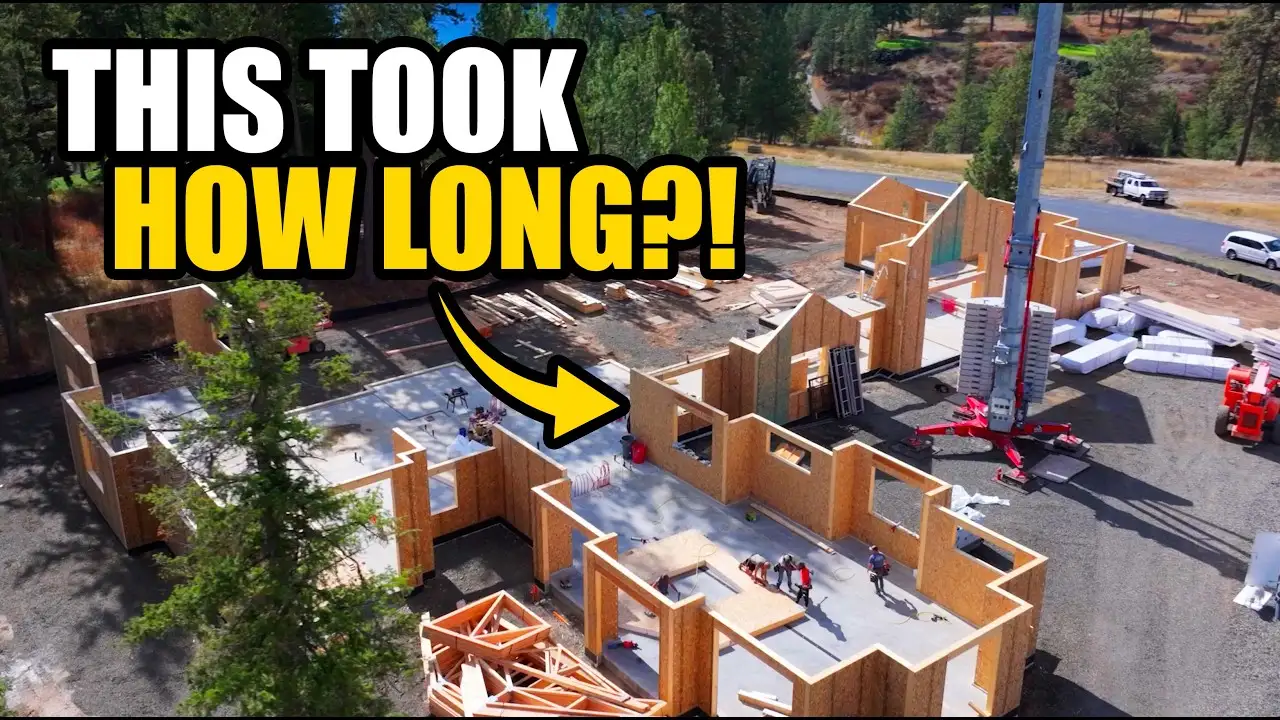
Meanwhile, companies in Sweden build complete, high-quality homes in factories with less workers, in controlled environments where weather isn’t a factor. Are we inherently incapable of this efficiency, or are we simply refusing to change comfortable, profitable habits?
The Land Banking Issue
Why do we allow developers to sit on vast land parcels, deliberately drip-feeding them to market to maintain artificial scarcity?
In Auckland alone, there’s enough zoned residential land to house thousands – yet much sits idle, appreciating in value while families cram into inadequate housing. This isn’t a market failure; it’s a regulatory one.
What if we implemented meaningful land value taxes that made it prohibitively expensive to speculate on empty land? Or sunset clauses on development approvals that required build-out within fixed timeframes?
The other side of the coin is why are councils making it so difficult to get planning permission in a timely and inexpensive fashion? This costs developers dearly.
Profits vs. People
Let’s ask the uncomfortable question: Who benefits from unaffordable housing?
- Existing homeowners see their wealth grow without effort. Unhealthy, and low performing houses sell well above what they should be worth.
- Banks collect larger interest payments on bigger mortgages
- Local governments enjoy increased property tax revenue (rates) for providing very few services.
Have we created a system where too many powerful interests profit from the status quo to allow meaningful change?

A Better Path Forward
If we genuinely want affordable housing, we need courage to implement solutions that work:
1. Require Skin in the Game
What if planning officials had to live in the developments they approve? If developers had to retain ownership stakes in their projects for 10+ years? Would we see better outcomes if decision-makers had to live with their decisions?
It’s a bit like sending our politicians to the frontline, would we have so many wars if we did?
2. Modernize Construction Radically
Sweden, Denmark, Germany and Japan (and others) have revolutionized home building through factory production. Their homes are better insulated, more durable, and faster to construct. Why can’t we adopt these methods with ease?
The answer is we can – but it requires breaking the stranglehold of conventional practices. It means standardizing components, training designers to think differently, and changing building codes to focus on building efficiency and performance rather than prescribing methods.
3. Rethink Development Contributions
What if development contributions were capped at a percentage of total project cost and required to directly benefit the development being charged? This would prevent councils from using new housing as a cash cow while ensuring necessary infrastructure is built.
4. Create Satellite Cities, Not Just Suburbs
Rather than endless sprawl or excessive intensification, why not create proper satellite cities with their own employment bases, connected by rapid transit?
This isn’t a new idea – it’s how Stockholm, Copenhagen, and other liveable cities manage growth. But it requires genuine investment in transportation infrastructure and employment decentralization.
5. Address Land Banking Through Taxation
A progressive land value tax that increases with the duration land sits undeveloped would discourage speculation and encourage housing production. This isn’t radical – it’s a return to principles that built many successful cities before speculation became our primary growth model.
6. Government Procurement
Here’s an idea I presented to one of our New Zealand ministers who dismissed it out of hand (Andrew Bayly): Why don’t governments provide a building material procurement service where they actively compete with the private sector?
This would drive competition and reduce price gouging? Manufacturers would offer better pricing because governments would guarantee payment and volume. This would aid their own public sector housing affordability and also the private sector who could buy from them.
The Courage to Change
The tragedy of our housing crisis isn’t that solutions don’t exist – it’s that we lack the political courage to implement them.
Every element of the housing industry – from financing to regulation to construction – is optimized for the profit of incumbents rather than affordability for homeowners. Changing this requires confronting powerful interests and reimagining how we create communities.
My experience building one affordable, high-performance home proves what’s possible. The question is whether we’re willing to challenge a system that rewards unaffordability to create communities where everyone can afford to live with dignity.
This article is of course my opinion that I write to provoke thought and change, and I apologise that this is a nothing short of a rant – but globally we seem to do a lot of talking about our global housing challenges, but I see very little action.
Related
(Video) New Zealand Builder explains the hidden cost of building that I feel is worth a watch:
Designing Affordable, Innovative, and Sustainable Homes using Prescriptive Building Codes
Building Quality Homes at Affordable Prices