Video: Matt Risinger
Panelised construction has changed the cost of building, but adoption is disappointing.
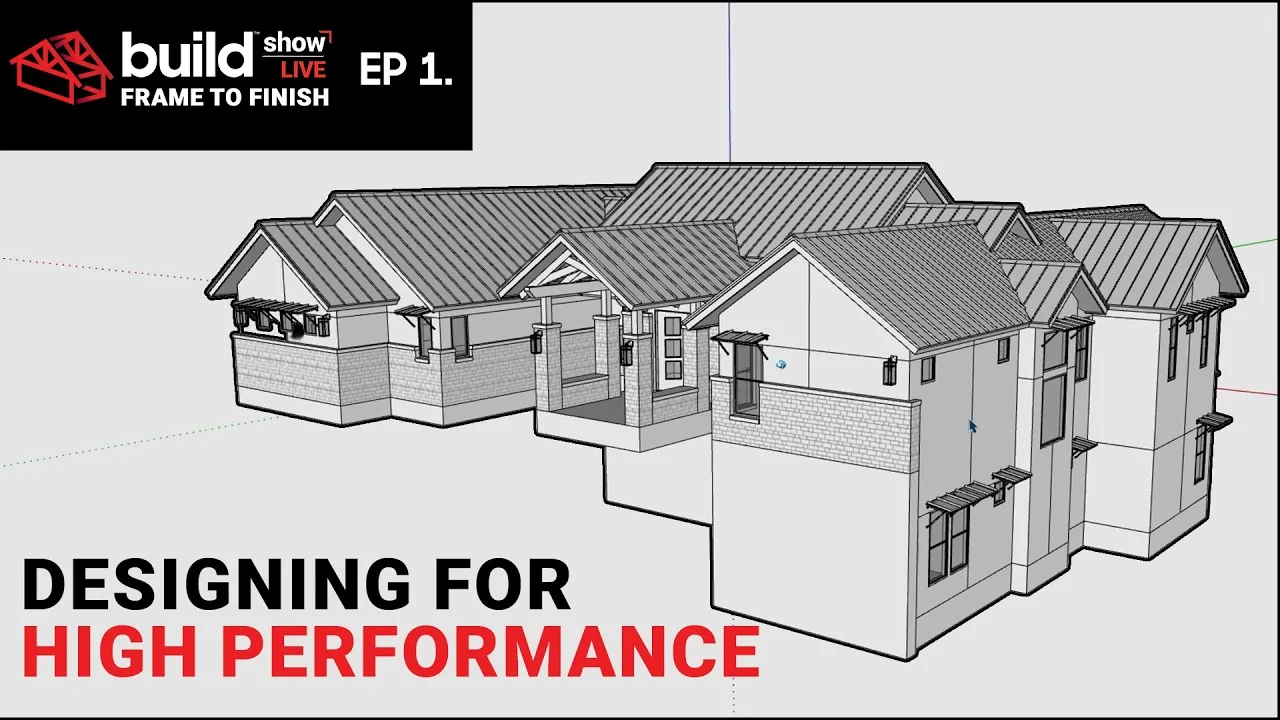
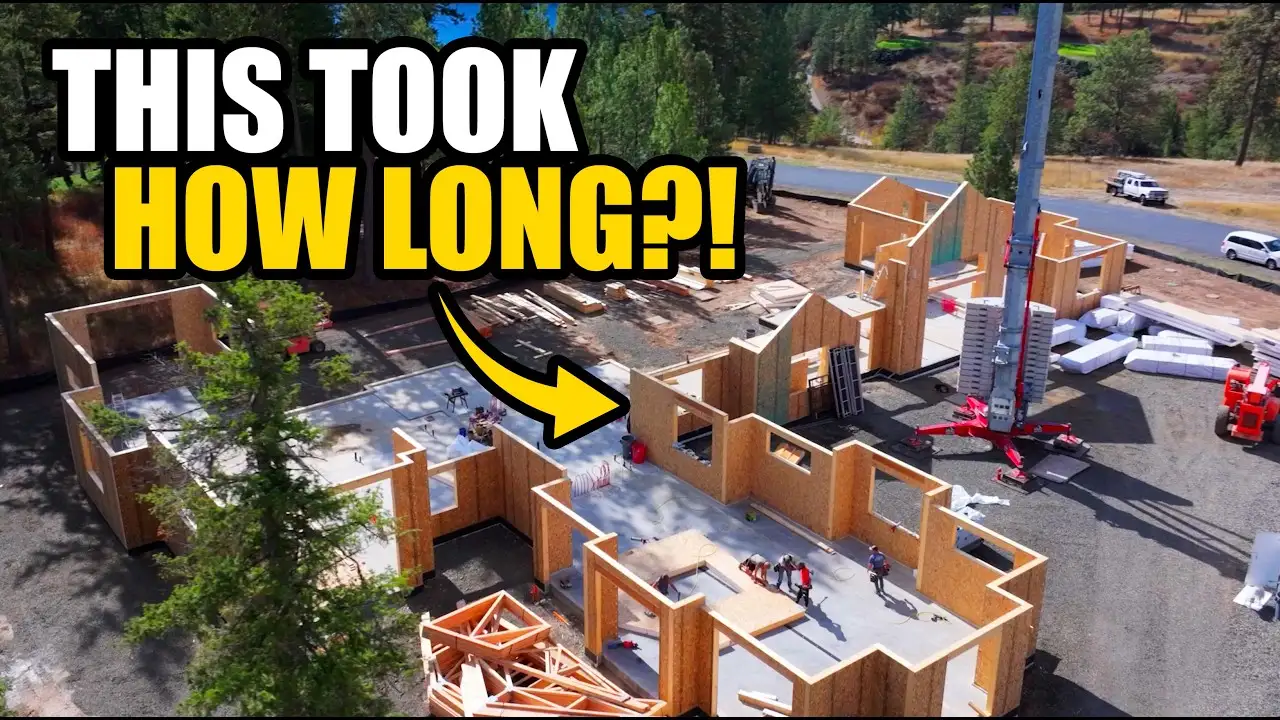
A few days ago Matt visited a custom home project built with structural insulated panels (SIPs) and explored how the system affects construction speed, energy efficiency, durability, and overall building performance.
Matt discusses the advantages of factory-built panel systems, including tighter building envelopes, reduced jobsite waste, improved thermal performance, and streamlined construction. The conversation also covers design flexibility, coordination between architects, engineers, and trades, and the importance of early planning when integrating high-performance building systems.
Throughout the project, the focus remains on creating an efficient, well-executed home with strong attention to building science principles.A recent episode of The Build Show featured a luxury custom home in Idaho constructed using structural insulated panels (SIPs), highlighting how modern panelised building systems are transforming construction efficiency, quality and performance.
While the project focused on SIPs, the lessons apply more broadly to many forms of prefabricated and panelised construction, including timber wall panels, CLT systems, modular construction and advanced framing systems increasingly being adopted around the world.
The key message is simple: when more of the building is engineered and manufactured before arriving on site, builders can often achieve better outcomes with less labour, less waste, higher quality, and greater certainty.
Labour Efficiency is Becoming Increasingly Important
One of the strongest themes from the project was the significant reduction in on-site labour requirements.
The builder reported that a 10,000 square foot luxury home was framed and dried-in in just 49 working days using a five-person crew. While every project is different, the broader point is that large sections of the building envelope arrived on site already manufactured, reducing the amount of traditional framing work required.
This approach offers several advantages:
- Fewer tradespeople required on site
- Reduced exposure to labour shortages
- Greater productivity per worker
- Improved programme certainty
- Faster weather-tightness
In regions where construction seasons are limited by weather, these efficiencies can have a significant impact on project delivery.
Better Quality Through Factory Manufacturing
Traditional timber framing relies heavily on the skill and consistency of individual tradespeople. It’s highly labour intensive.
Panelised systems shift much of that work into controlled factory environments where dimensions, tolerances and quality control procedures can be more closely managed.
The result is often:
- Straighter walls
- Improved dimensional accuracy
- Higher thermal efficiency
- Better alignment of finishes
- Reduced rework
For high-end projects where large-format finishes, custom joinery and extensive glazing are common, improved structural accuracy can reduce problems later in the build process.
Less Waste and a Cleaner Site
Another interesting observation from the project was the dramatic reduction in construction waste.
Because panels are manufactured to predetermined dimensions, material optimisation occurs in the factory rather than on site.
Benefits can include:
- Reduced timber waste
- Fewer skips and waste bins
- Less packaging
- Improved site safety
- Reduced material handling
A cleaner site is not simply an aesthetic benefit. Less clutter can improve safety, reduce material damage and create a more organised working environment.
High Performance Building Envelopes
One of the reasons SIPs have gained popularity is their ability to combine structure and insulation within a single system.
The Idaho project utilised wall panels with approximately R34 insulation values and roof panels approaching R60.
While construction requirements differ around the world, the principle remains relevant.
Factory-built panel systems can help achieve:
- Better thermal performance
- Reduced thermal bridging
- Improved airtightness
- More consistent insulation installation
- Lower heating and cooling demand
As energy efficiency requirements continue to evolve, building envelope performance is becoming an increasingly important design consideration.
Planning Becomes More Important
The benefits of panelised construction do not come without trade-offs.
Perhaps the biggest lesson from the video was that success depends heavily on upfront planning.
With traditional framing, many design decisions can be adjusted during construction. Panelised systems offer far less flexibility once manufacturing begins.
Successful projects typically require:
- Early coordination between designers and engineers
- Early involvement of suppliers
- Detailed service planning
- more reliance on level and true slab foundations
- Well-defined construction sequencing
Electrical, plumbing and mechanical services often need to be considered much earlier than many contractors are accustomed to.
Precision Matters
Perhaps the most important caution for builders considering panelised systems is that accuracy becomes critical.
A common industry saying is that prefabrication rewards precision and punishes mistakes.
The foundation or slab must be:
- Correctly located
- Dimensionally accurate
- Square
- Level
- Built within specified tolerances
If the foundation is out of tolerance, installers can quickly find themselves undertaking remedial work that erodes many of the time and cost savings that prefabrication was intended to deliver.
What should be a rapid installation process can become a series of adjustments, packers, modifications and site fixes.
The more advanced the building system, the more important accurate surveying, setting out and quality control become.
Consider alternative foundation types where accuracy is easier to maintain with your available labour.
The Future of Building?
Labour shortages, skills dwindling, efficiency worsening, ever rising construction costs and higher performance expectations are forcing the industry to reconsider traditional building methods.
Panelised construction is unlikely to replace conventional building entirely. However, it is becoming increasingly clear that greater levels of prefabrication and off-site manufacturing will play an important role in the future of construction.
For builders, developers and designers, the opportunity is not simply to build faster. It is to build smarter.
When properly designed, coordinated and installed, advanced building systems can reduce labour requirements, improve quality, minimise waste and deliver higher-performing buildings.
The challenge is that these benefits are only realised when the entire project team embraces the discipline, planning and precision that modern construction systems demand.
Summary
Many countries around the world are stuck using traditional building methods that are way too expensive for the quality and performance of the houses they produce.
Change is very hard because it’s far too easy to easy for the trades to rinse and repeat what they did yesterday, and even a century ago. The only way we can push the industry to produce more affordable, sustainable, healthier, and higher quality homes is to get our customers to insist on it, because they are picking up this astronomical bill.
Related
3 Benefits of SIPs Framing vs Traditional Wood Framing.
SIPS & Timber Framing – A Perfect Match
Why Panelised Construction is the KEY to Quality Affordable Housing