Foreword by Ian Thompson, Editor
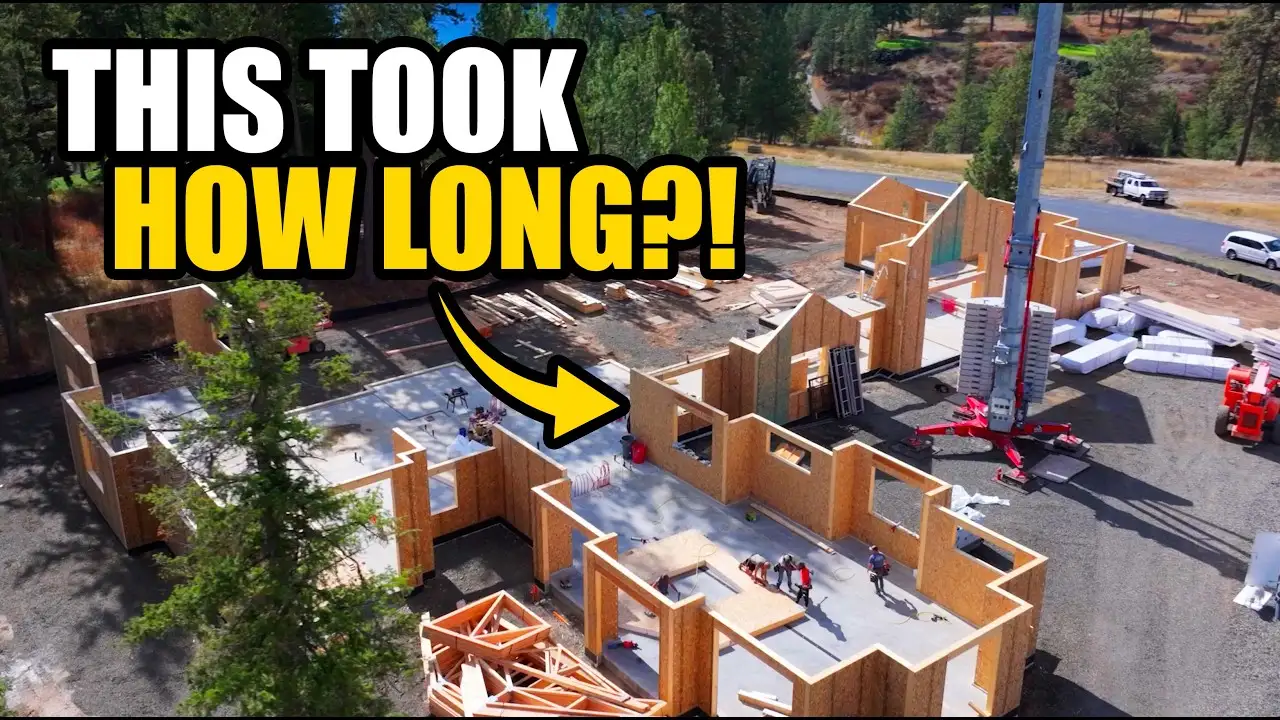
In today’s Build Review video, Matt Risinger takes us on an HVAC and plumbing site tour of his own house building project.
We’re still living in an era where HVAC systems aren’t taken seriously enough by the majority of the housing sector. I would estimate that less than 1% of houses built in the last 20 years have optimally sized HVAC systems, if they’re present at all.
I have to confess, I don’t consider most heat recovery systems as good options, especially those that pull air from the attic and distribute the air back into the living quarters. There’s also the potential for associated health issues. Of course, that’s just my opinion, and it’s open for debate, as is everything we publish on The Build Review.
I find myself torn between a house with excellent cross-ventilation options with high thermal performance floors, walls, and roof, versus a house with a less efficient thermal envelope but a good HVAC system. This is an area where I’m trying to enhance my knowledge. For instance, my current house only has an air-to-water heat pump driving an underfloor heating system, which is only in operation during the winter months a few hours a day. I don’t have any mechanical cooling ability for the summer, which isn’t necessary for this particular house design. However, when I consult with HVAC and Passive House designers, they suggest that my design approach needs improvement. So, here I am, learning from our frequent guest author, Matt Risinger, and his methods in his own house build.
I must say, I am considering incorporating an HVAC system in my next house build in 2025. But, I aim to specify the smallest and most energy-efficient system because I want to go off-grid if I can. Power utilization, especially during winter, is a significant design concern for me. But enough of my waffling, let’s now hear from Matt.
Mastering HVAC and Plumbing: A Deep Dive
Video Summary
This Risinger Building project explores the intricate world of HVAC (Heating, Ventilation, and Air Conditioning) and plumbing in modern construction. From innovative ductwork installations to energy-efficient systems, this highlights the key aspects of mechanical systems in building projects.
Key Educational Points
1. Ductwork Installation
- Meticulous Planning: Crucial for efficient airflow and moisture control in HVAC systems.
- Hardware Housings Material Choice: Consider possible water leakages/vapour condensation and control. Matt chose real wood over sheetrock prevents condensation issues.
- Attention to Installation Detail: Essential for optimal HVAC performance.
- UL 181 Rated Ducts: Designed specifically for conditioned spaces.
- Airtight Sealing: Advanced methods surpass traditional techniques like duct tape.
- Reinforced Fiberglass: Offers durability and optimal airflow in HVAC systems.
2. Collaborative Planning
- Integration: Seamless coordination between plumbing and HVAC vents is vital.
- Detailed Modelling: Prevents conflicts and ensures efficient installation.
- Interdisciplinary Approach: Key to successful mechanical system implementation and performance efficiency.
3. HVAC System Efficiency
- Energy Recovery Ventilators: Improve indoor air quality and overall system efficiency.
- In-Home Filtration: Upgrade options for enhanced air purification.
- ECM Motors: Advance energy savings in HVAC applications.
4. Strategic Component Placement
- Consider Inverter Technology: Advantages in modern HVAC systems.
- Air Quality Enhancements: Installation of backdraft dampers and MERV 13 filters.
5. Futuristic HVAC Features
- Variable Capacity Technology: Cutting-edge advancements for optimal performance.
- Mini VRF Outdoor Units: Innovative solutions for space-efficient HVAC installations.
- Comprehensive Comfort: Systems designed for dehumidification and advanced air filtration.
Importance of HVAC and Plumbing Mastery
Mastering the intricacies of HVAC and plumbing is crucial for successful construction projects. You simply cannot afford to make this implementation an afterthought. The synergy between these systems plays a significant role in creating comfortable, efficient, and sustainable living spaces. Key factors contributing to this mastery include:
- Attention to Detail: Precise planning and execution in both HVAC and plumbing installations ensure optimal performance and longevity of systems.
- Collaborative Approach: Seamless integration between HVAC and plumbing components is achieved through interdisciplinary cooperation and comprehensive planning.
- Innovative Technologies: Embracing cutting-edge solutions in both HVAC and plumbing leads to improved efficiency, comfort, and sustainability.
- Energy Efficiency: Modern HVAC systems, coupled with well-designed plumbing, contribute significantly to overall energy savings in buildings. Make sure your system isn’t sized too big for it’s performance requirements.
- Indoor Air Quality: Advanced HVAC features, combined with proper plumbing ventilation, ensure healthier living environments. Choose wisely with a good filter system and low maintenance costs.
- Sustainable Practices: Integration of energy-efficient HVAC systems and water-saving plumbing fixtures promotes environmental responsibility and lower water bills.
- Cost-Effectiveness: Well-planned, scaled, and executed HVAC and plumbing systems reduce long-term operational costs for building owners.
- Comfort Optimization: The synergy between HVAC and plumbing systems creates living spaces that are both thermally comfortable and functionally efficient.
- Compliance and Safety: Proper installation and integration of HVAC and plumbing systems ensure adherence to building codes and safety standards. Make sure your hardware is easily accessible for maintenance and filter changes.
Conclusion
Matt’s deep dive into HVAC and plumbing systems reveals the complexity and importance of these mechanical components in modern house construction. From the intricacies of ductwork installation to the implementation of energy-efficient HVAC solutions, every aspect plays a crucial role in creating comfortable, efficient, and sustainable living spaces.
The emphasis on collaborative planning between HVAC and plumbing professionals underscores the interconnected nature of these systems. This interdisciplinary approach not only prevents potential conflicts during installation but also ensures optimal performance of the entire mechanical system.
Innovations in duct systems, such as UL 181 rated ducts and reinforced fiberglass materials, demonstrate the ongoing advancements in HVAC technology. These improvements contribute to better airflow, increased durability, and enhanced energy efficiency.
The focus on HVAC system efficiency, including the use of energy recovery ventilators and ECM motors, highlights the industry’s commitment to reducing energy consumption while maintaining high performance. Strategic placement of components and the integration of futuristic features like variable capacity technology further exemplify the evolution of HVAC systems.
As the construction industry continues to evolve, mastering the intricacies of HVAC and plumbing becomes increasingly important. The attention to detail, collaborative planning, and embrace of innovative technologies are key factors in creating buildings that are not only comfortable and efficient but also sustainable for the future.
The upcoming house tour in November offers an exciting opportunity for enthusiasts and professionals alike to witness these advanced HVAC and plumbing systems in action, providing valuable insights into the practical application of the concepts discussed.
In conclusion, the mastery of HVAC and plumbing systems is a critical aspect of modern construction, requiring a blend of technical knowledge, innovative thinking, and collaborative effort. As these systems continue to evolve, staying informed about the latest advancements and best practices in both HVAC and plumbing will be essential for creating high-performance, sustainable buildings.
Related Links
HVAC Done Right! Watch this before you install!
The Real Rebuild Episode 3: Mechanical and Plumbing in Focus