Foreword by Ian Thompson, Editor
Fiberglass strands have been used in concrete slabs as a replacement for steel rebar (reinforcement bar) and steel mesh grids for decades, particularly in Europe. However, I have not yet utilized GRP/fiberglass rebar in any of our projects. The scarcity of suppliers and the high costs in my home country make it prohibitive for the type of projects I handle, but I’m hopeful that increased market competition will eventually drive these costs down. If I take on a sufficiently large project, I’ll consider importing it from one of our ABA suppliers in Europe or North America.
There are numerous benefits to using fiberglass rebar reinforcement, notably in the decarbonization of our construction site products. I’m uncertain about the energy utilization involved in manufacturing the rebar, but I believe it must be lower and more environmentally friendly than steel.
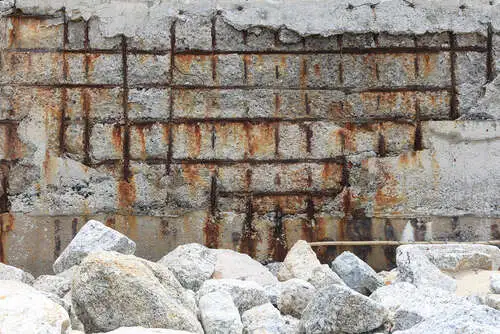
For me, the primary advantage is that fiberglass rebar does not rust, which can significantly prolong the lifespan of the concrete structure. Rust is one of the main culprits in concrete structure deterioration and failure, and it’s visually unappealing as well. I also appreciate the reduced weight of fiberglass rebar and the ease with which it can be handled on site. I still bear a scar on my hand from a poorly cut piece of steel rebar that pierced my skin as I was lifting a few pieces into place. It was razor sharp.
Matt discusses the advantages and disadvantages of using fiberglass rebar reinforcement in this concise, informative video. Enjoy!
Steel vs. Fiberglass Rebar Comparison: Surprising Results
Video Summary
In this Matt Risinger’s video about fiberglass rebar, we outline a detailed comparison between fiberglass rebar and steel rebar, emphasizing their applications and key differences in various construction projects. Fiberglass rebar, being lightweight, offers better bonding to concrete, ensuring improved worker safety and pullout strength compared to traditional steel rebar.
It has a higher tensile strength than steel but lower shear strength, and its use requires careful planning and prefabrication due to limitations in on-site bending.
Moreover, the installation process, spacing, and design changes for switching from steel to fiberglass rebar need to be considered in construction projects.
The proper concrete cover prevents spalling on rebar, and fiberglass rebar’s forgiving nature is advantageous in such situations.
While the cost of fiberglass rebar may be higher for larger projects, its environmental benefits, such as decarbonization and enhanced worker safety, are increasingly valued in the construction industry.
The lightweight and unique properties of fiberglass rebar can significantly extend worker safety and longevity, making it a valuable option in construction projects, especially those aimed at decarbonization efforts.
Related Links
The Risinger Build: Episode 4 – Existing Slab Retrofit & New Foundation
Steel Reinforcement Basics (Rebar Types, Sizes,Calculating Weight, Types of Rebar)