Self-building can be one of the most rewarding journeys to homeownership, offering the opportunity to create a space that truly reflects your needs and personality. And building your home yourself can be cost-effective compared to buying a premade property, as long as you don’t stray from the affordability and common-sense path.
As my surprisingly popular article earlier in the week What Has Grand Designs Taught Us? highlighted that human nature seems too often to get in the way of progress and affordability.
So, the path to self-building housing affordability is littered with pitfalls that can quickly transform your dream project into a financial nightmare – but please don’t let that put you off the idea.
I’ve tried to write this article in a way that highlights the most common mistakes first-time self-builders make and then goes on to provide some practical solutions to help you to hopefully avoid them, keeping your project affordable without compromising on quality.
Table of Contents
- Part 1: Where First-Time Self-Builders Go Wrong
- Regulatory Blind Spots
- The Location Trap: Emotional Over Practical Decisions
- Design Disasters: When Dreams Exceed Reality
- The Variation Vortex: Changing Your Mind During Construction
- Financial Fragility: Underestimating Monetary Challenges
- Skills and Management Missteps
- Outdated Approaches to Building Technology
- Risk Management Oversights
- Part 2: Solutions and Strategies for Success
- Conclusion: Building Smart, Building Affordable
- Related
Part 1: Where First-Time Self-Builders Go Wrong
Regulatory Blind Spots
The Hidden Costs of Compliance
Many first-time builders dramatically underestimate the financial impact of regulatory requirements. What seems like a straightforward application process often becomes a costly, time-consuming ordeal – and it’s not always your fault.
Common mistakes include:
- Underestimating consent fees and delays: Building consents, planning permissions, and associated applications can cost thousands more than anticipated. They can also take far longer, with some taking years, not months to acquire. If you’re funding the unproductive land and rent during this time it can be quite a financial overhead.
- Overlooking development contributions: Many jurisdictions require substantial development contributions toward ‘infrastructure improvement’, which can add tens of thousands to your budget (and more). It’s unfortunate, but many councils do not use this tax, sorry, contribution, to benefit your build, or local infrastructure at all.
- Failing to budget for many inspections and delays: Each delayed inspection can add weeks to your timeline and significantly increase carrying costs. You’ll have to pay for your trades to down tools until these inspections are complete. It’s also worth noting that building inspectors are only human, and can make mistakes too, so make sure you don’t end up implementing a fix or add-on that isn’t necessary.
A very common problem in New Zealand is booking building inspectors. It’s not uncommon to pause construction for three or more weeks, waiting for an inspector. Each day costs for items including extended equipment rentals, loan interest, and contractor holding fees. Sometimes these delays can add 5% to 10% to the build budget.
The Location Trap: Emotional Over Practical Decisions
Perhaps the most consequential mistake is inflexibility regarding location. Many first-timers insist on building in desirable areas where land prices make affordable self-building mathematically impossible. Compromise is key, and it’s a factor that stops many people getting on the housing ladder.
The location pitfalls include:
- Emotional attachment to specific areas: Refusing to consider more affordable locations based on personal preferences rather than practical considerations.
- Underestimating the impact of land costs: In many cases, the land can represent 40-60% of the total project cost.
- Overlooking development constraints: Expensive sites often come with more restrictive covenants, challenging topography, or access issues that further increase costs.
- Ignoring carrying costs of premium locations: Higher property taxes, insurance, and maintenance costs can strain budgets long after construction ends.
- Council Fees: Some councils and utility providers are easier to deal with than others and have lower financial contributions and are quicker to complete consent applications and inspections. Considering these domains can be a big help.
Design Disasters: When Dreams Exceed Reality
Design decisions represent another major area where self-builders frequently make costly mistakes that undermine affordability.
Design-related pitfalls include:
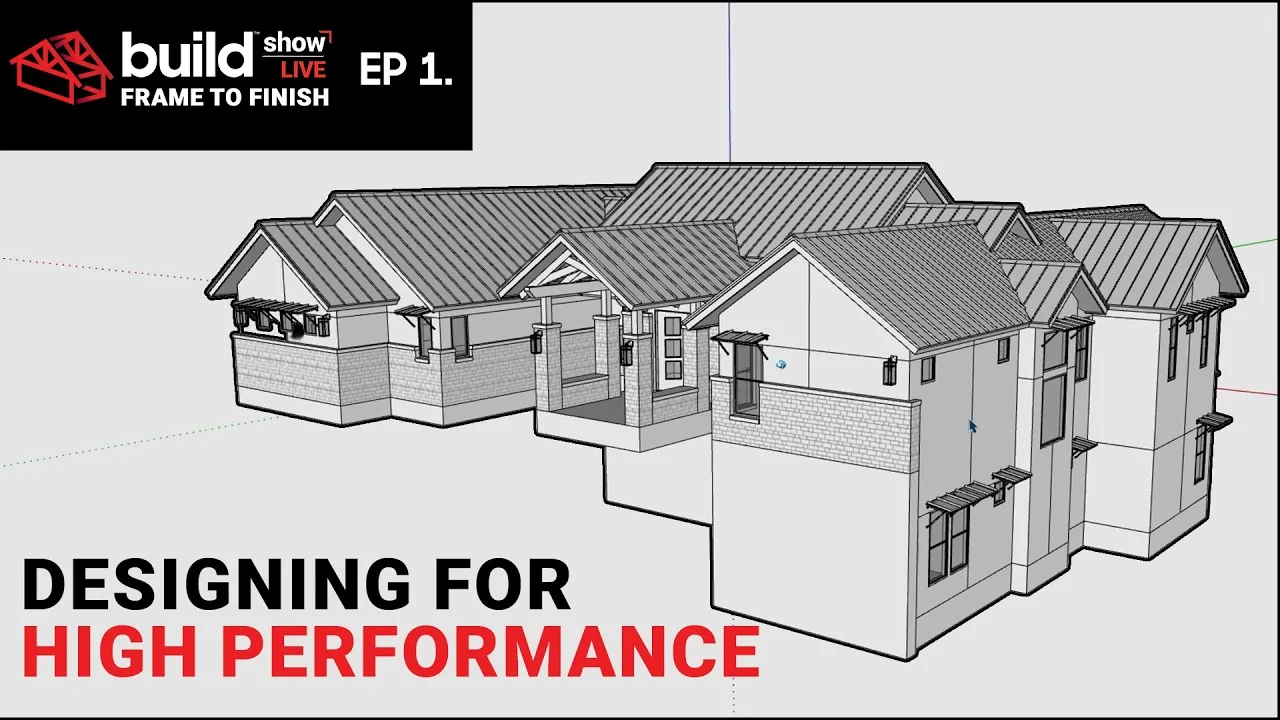
- Overcomplicating the footprint: Irregular shapes, multiple corners, and complex rooflines dramatically increase costs per square meter.
- Custom everything: Specifying bespoke features rather than standard sizes and readily available materials.
- Over-designing: Creating spaces larger than needed or including rarely used rooms that add significant cost.
- Fashion over function: Prioritizing trendy design elements that may quickly become dated and don’t add practical value.
- Ignoring the cost implications of design decisions: Most designers have never built with their own money and may not highlight the financial impact of their recommendations.
Simple designs using interesting claddings and roof materials can be much more stylish than convoluted designs. Most award-winning homes are simple in form.
The Variation Vortex: Changing Your Mind During Construction
One of the most consistent budget-killers is making changes once construction has begun. What seems like a minor adjustment often triggers a cascade of expensive modifications.
Common variation mistakes include:
- Impulse changes: Making spontaneous decisions without fully understanding the cost implications.
- Scope creep: Gradually adding features and upgrades that weren’t in the original budget.
- Failing to account for the knock-on effects: Not realizing that changing one element often necessitates changes to other building systems.
- Verbal agreements for changes: Not documenting variations properly, leading to disputes and unexpected costs.
In my 35 years working in construction, I would say that variations are an avoidable and very costly issue, costing at least three times what it would have cost if included in the original plans, and puts added strain on contractor relationships and delays.
Financial Fragility: Underestimating Monetary Challenges
Financing represents perhaps the most stressful aspect for self-builders, with many first-timers making critical mistakes that jeopardize the entire project.
Financial pitfalls include:
- Inadequate contingency: Failing to set aside sufficient funds (at least 15-20% of the total budget) for unexpected costs.
- Misunderstanding lender requirements: Most lenders have strict requirements for self-build projects that differ from standard mortgages.
- Poor cash flow planning: Not aligning fund releases with payment schedules, resulting in cash shortfalls.
- Interest rate vulnerability: Failing to protect against rate increases during the build period.
- Unrealistic budgeting: Starting with an unachievable budget based on wishful thinking rather than market realities.
Banks are not your friends. They lend you an umbrella when it’s sunny and ask for it back when it rains.
Banks are there to make money from you. They rarely understand the building process and associated challenges – they just understand numbers. Get the wrong side of the numbers and it goes pear-shaped very quickly.
Skills and Management Missteps
The construction skills gap affects self-builders significantly, yet many fail to account for this reality in their planning.
Common skills-related mistakes include:
- Overestimating personal DIY capabilities: Taking on tasks beyond your skill level, resulting in costly corrections.
- Undervaluing project management: Failing to recognize the complexity of coordinating multiple trades and suppliers.
- Hiring based on price alone: Selecting the cheapest contractors without verifying skills, reliability, or financial stability.
- Inadequate scheduling: Not allowing realistic timeframes for each construction phase.
Outdated Approaches to Building Technology
Many first-time self-builders’ default to conventional construction methods without exploring alternatives that could save time and money. If you think about it, most tradespeople make more money on slower builds if they charge by the hour. Many also make margins on the products they source, so the more products, the more $$$’s.
Technology-related mistakes include:
- Defaulting to traditional methods: Not investigating modern construction techniques that might offer better value and efficiency/productivity.
- Ignoring lifecycle costs: Focusing solely on initial construction costs rather than long-term energy and maintenance expenses.
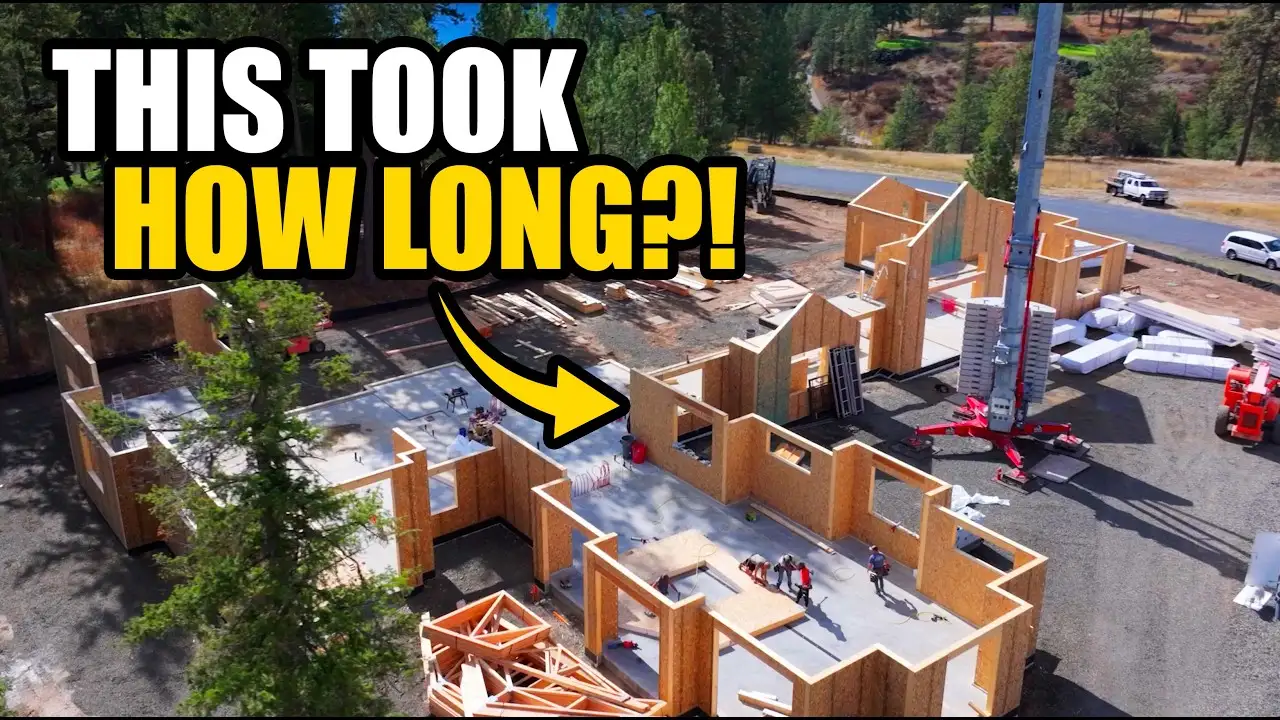
- Overlooking prefabrication opportunities: Not considering factory-built components (panelised/modular) that could reduce on-site labour, disruption, time, and waste.
Risk Management Oversights
Inadequate risk management leaves many self-builders vulnerable to catastrophic financial losses.
Risk management failures include:
- Insufficient insurance coverage: Not securing appropriate self-build insurance that covers all aspects of the project.
- Weak contractual protections: Using inadequate contracts that don’t clearly define responsibilities, timelines, and quality standards.
- No structural warranty: Failing to secure a long-term structural warranty that protects against major defects.
Part 2: Solutions and Strategies for Success
Having identified the most common pitfalls, let’s explore practical solutions to help you navigate these challenges successfully and keep your project affordable.
Mastering the Regulatory Landscape
Effective strategies include:
- Budget realistically for regulatory costs: Research thoroughly and allocate at least 10% of your total budget for permits, fees, and contributions.
- Engage early with authorities: Schedule pre-application consultations to identify potential issues before finalising plans.
- Consider professional guidance: Hire consultants familiar with local regulations who can navigate the system efficiently. It seems backwards to many, but employing specialists can save you a lot of time and money.
- Plan for inspection timing: Build inspection timing into your project schedule, with buffers for delays.
- Document everything: Keep detailed records of all regulatory communications and approvals. Take photos/videos of site progress as a building record. These aslo help you remember how your home was constructed if you want to remodel later or perform maintenance tasks.
Smart Location Selection
Location solutions include:
- Prioritise value over prestige: Focus on emerging areas with growth potential rather than established high-value locations.
- Consider rural opportunities: With remote work now mainstream, rural locations offer affordable land with increasing practicality.
- Look for “compromise locations”: Areas within commuting distance (or fast public transport services) of desired locations but without the premium price tag.
- Research infrastructure plans: Identify areas scheduled for improved transportation or services that may increase value over time.
- Calculate the true cost difference: Quantify exactly how much extra you’re willing to pay for a preferred location and whether that premium could be better invested in the home itself.
Design for Affordability
Design solutions include:
- Consider stock plans: Pre-designed house plans offer proven, cost-effective designs at a fraction of custom design fees.
- Embrace simplicity: Rectangular footprints, simple rooflines, and standard dimensions dramatically reduce costs.
- Design for standard sizes: Align dimensions with standard material sizes to minimize waste and custom fabrication.
- Focus on quality over quantity: Prioritise well-designed smaller spaces over larger mediocre ones.
- Plan for future expansion: Design with potential additions in mind, allowing you to spread costs over time.
- Hire budget-conscious designers: If using a designer, choose one with experience in cost-effective construction – preferably a designer who has built their own home. They will understand value engineering much better than those designers who haven’t built with their own money.
Preventing Costly Variations
Strategies to avoid variations include:
- Finalize all decisions before construction: Invest time upfront to make and document all selections and specifications. Invest in a 3D digital visualisation walk-through of the house before finalising your design. There are many inexpensive options available now.
- Create a comprehensive specification document: Detail every finish, fixture, and fitting before beginning construction.
- Establish a formal variation process: Create a system for evaluating, approving, and documenting any changes.
- Set a variation budget: Allocate a specific amount for potential changes and track it rigorously. Talk to your builder before ordering a variation.
- Implement cooling-off periods: Institute a mandatory 48-hour consideration period before approving any variation.
Building Financial Resilience
Financial solutions include:
- Secure financing before land purchase: Ensure your financing strategy is confirmed before committing to land.
- Build a realistic contingency: Set aside a minimum of 15-20% of your total budget for unexpected costs.
- Consider fixed-rate options: Explore ways to lock in interest rates for the duration of the build.
- Create detailed cash flow projections: Map out exactly when funds will be needed throughout the project.
- Establish multiple financial backups: Identify secondary funding sources that can be accessed quickly if needed.
- Negotiate favourable payment terms: Structure contracts to align payments with completed work rather than upfront requirements. I never pay for labour-orientated services that haven’t been started/completed.
Managing the Skills Gap
Solutions to skills challenges include:
- Hire experienced project management: Consider this an investment rather than an expense.
- Create skills-appropriate involvement: Be realistic about which tasks you can handle yourself and which require professionals.
- Develop reliable trades networks: Connect with other self-builders to identify reliable tradespeople.
- Consider training opportunities: If tackling aspects yourself, invest in proper training before beginning.
- Explore community build options: Self-builder groups can share skills and resources to overcome individual limitations.
Embracing Innovation in Building Technology
Technology solutions include:
- Investigate modern methods of construction: Research options like structural insulated panels, panelised, and modular construction.
- Consider off-site manufacturing: Factory-built components can reduce on-site labour costs and construction time.
- Focus on energy efficiency: Invest in high-performance building envelopes that reduce long-term operating costs.
- Explore alternative materials: Consider newer materials that may offer better performance, health, and sustainability at lower costs. Don’t be afraid to buy from abroad – but factor in shipping and duties. Great savings can be made here, and you can get better quality products that aren’t available in your country.
- Visit demonstration projects: See innovative systems in person to better understand their potential benefits.
Comprehensive Risk Management
Risk mitigation strategies include:
- Secure comprehensive self-builder insurance: Ensure coverage for site, works in progress, public liability, and employer’s liability.
- Obtain structural warranties: These long-term protections are often required by lenders and provide peace of mind.
- Use robust contracts: Employ detailed written agreements with all contractors and suppliers.
- Implement stage payments: Structure payments to align with completed work rather than calendar dates.
- Conduct thorough due diligence: Research all contractors, checking references, financial stability, and past work.
Conclusion: Building Smart, Building Affordable
Self-building an affordable home is entirely possible when you understand and actively avoid the common pitfalls that derail so many first-time projects. By learning from others’ mistakes -particularly regarding location flexibility, regulatory costs, design decisions, avoiding variations, and securing appropriate financing—you can navigate the journey more successfully.
Remember that all successful self-builders projects have made compromises along the way. The key is making informed trade-offs that align with your priorities rather than having circumstances force decisions upon you. With careful planning, realistic expectations, and the strategies outlined above, you can create a high-quality home that meets your needs without breaking the bank.
Your self-build journey may not be easy, but armed with knowledge about what typically goes wrong, you’re already ahead of most first-timers. Focus on avoiding these common mistakes, implement the suggested solutions, and you’ll be well on your way to creating an affordable home that truly works for you.
Related
What Has Grand Designs Taught Us?