
The Case for Sustainable Material Choices – Do You Know What’s in the Building Products and Materials You’re Specifying?
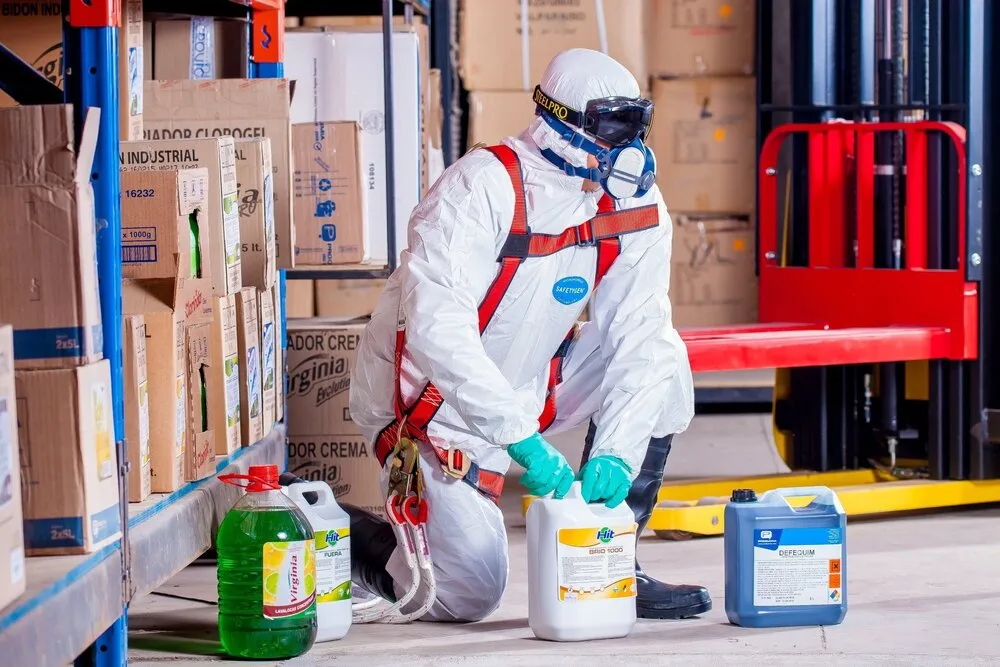
The materials specified during the design phase of a building project hold immense power – not just to shape the final structure but to impact the health, safety, and sustainability of everyone involved. Yet, many designers, specifiers, and architects lack the education and awareness needed to evaluate the risks associated with the products they choose.
The need for sustainable and healthy materials and products has never been more urgent. From the workers handling materials on-site to the families exposed to secondary toxins and the occupants living in these buildings for decades, the ripple effects of hazardous materials are far-reaching. It’s time for designers and specifiers to rethink their approach and prioritize health, safety, and sustainability in every decision.
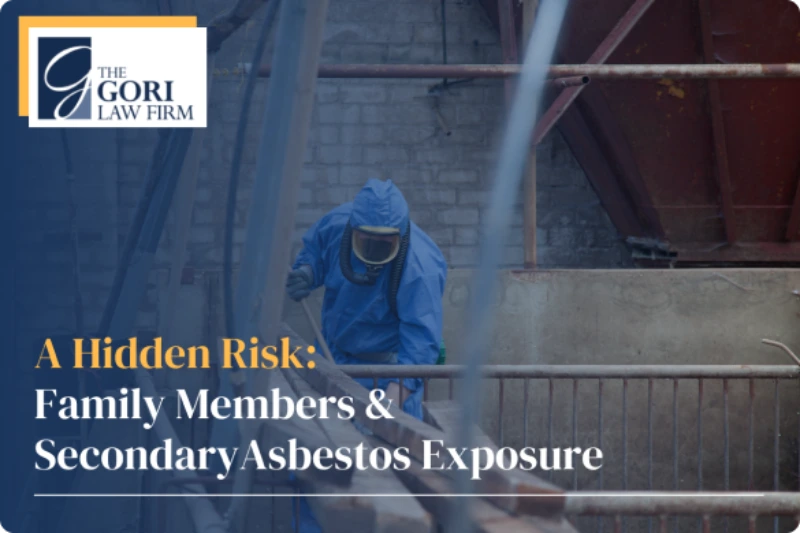
I was contacted by The Gori Law Firm who wanted to inform our readers about the dangers associated with secondary asbestos exposure, and how Asbestos is still a silent killer to all that it touches, including friends and family members coming into contact with trained asbestos removers.
Please invest a few minutes of your time to read their informative article:
The Knowledge Gap in Specification
Design professionals often focus on performance, cost, and aesthetics when choosing building products and materials, but the hidden dangers of toxicity, long-term health risks, and environmental harm frequently go unnoticed. The solution lies in prioritizing sustainable material choices -materials that protect workers, occupants, and the environment without compromising functionality or aesthetics. It just takes a few moments to ask the supplier the question or read the specification closely.
Even use your preferred large language model like ChatGPT for guidance – it’s pretty quick and painless.
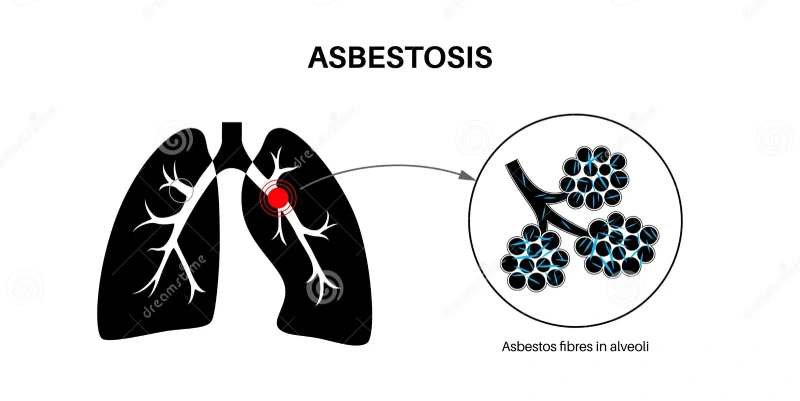
Asbestos is a well-documented example of how ignorance during specification can have deadly consequences. Asbestos was even hailed as an innovative wonder product in its day.
Workers handling asbestos unknowingly exposed their families to secondary fibres, leading to mesothelioma and other illnesses. Similarly, treated framing timber, banned in most countries but still widely used in New Zealand, contains dangerous chemicals like arsenic and chromium. These materials are chosen despite the availability of better material and product choices that are safer for both people and the planet.
Why Sustainable Material Choices Matter
The root of the problem lies in inadequate education. Many designers, architects, and specifiers aren’t trained to evaluate materials for their safety, environmental footprint, or long-term health impacts. This gap in knowledge can be bridged by prioritizing healthy and sustainable material choices during the design phase.
Choosing materials responsibly isn’t just about avoiding hazardous substances like asbestos or treated timber – it’s about rethinking how we design and build.
Non-toxic insulation, low-VOC paints, and untreated timber are examples of sustainable material choices that reduce health risks and environmental harm. By understanding what’s in the materials we specify, we can create healthier spaces for workers, occupants, and future generations.
A Call for Transparency: Supporting Sustainable Material Choices
Transparency is key to making healthier material and product choices a reality. Manufacturers can play an essential role in this process by clearly communicating the risks and benefits of their products. It doesn’t mean we don’t have to buy them – we just need to know the risks in doing so.
What if building materials included standardized labels highlighting their chemical composition, environmental impact, and safety precautions—similar to cigarette warnings?
- Clear Product Labelling: Manufacturers could display information about the safety, toxicity, and sustainability of their products to help specifiers choose sustainable material choices with confidence.
- Material Safety Data Sheets (MSDS): While MSDSs are already required, they are often buried in technical documents that specifiers rarely consult. Simplifying this data and making it more accessible would support informed decisions around sustainable material choices.
- Education for Building Purchasers: When a building is sold, purchasers could receive a guide detailing any materials that may pose risks during renovations or modifications. Encouraging the use of sustainable material choices in future renovations would protect occupants and align with environmental goals.
I wonder how many homeowners know what their home is made of?
The Ripple Effect: Sustainable Material Choices Benefit Everyone
Specifying the right products isn’t just about protecting workers – it’s about safeguarding families, occupants, and the environment. Toxic materials like asbestos and treated timber don’t just harm those who install them; they persist in homes, workplaces, and ecosystems for years.
Even common materials like fiberglass insulation are a concern for me, yet it’s widely used and nearly everyone I speak to about the product type isn’t aware of the issues it can cause.
For example, (as per the linked article) secondary asbestos exposure occurs when workers unknowingly carry fibres home on their clothing, exposing loved ones to deadly toxins. Similarly, treated timber can leach harmful chemicals into soil and groundwater. By opting for sustainable material choices, designers can minimize these risks and create buildings that are healthier for everyone.
Balancing Awareness with Practicality
While promoting sustainable and non-toxic materials is essential, it’s equally important to avoid over-complicating the process or adding unnecessary red tape. Practical steps can include:
- Industry Standards: Developing standardized protocols for labeling and promoting sustainable material choices across the sector.
- Digital Solutions: QR codes on product packaging could link directly to detailed safety and sustainability profiles, streamlining the selection of sustainable material choices.
- Collaborative Campaigns: Manufacturers and industry bodies could launch education campaigns highlighting the importance of sustainable material choices for specifiers and building purchasers.
By focusing on education and transparency, rather than punitive measures, the industry can promote sustainable material choices without creating unnecessary barriers to innovation or efficiency.
Conclusion: Building Awareness, Building Better – For Us, and Our Planet
The question “Do you know what you’re specifying?” should serve as a challenge to every professional involved in the construction process. By addressing the knowledge gap among designers and specifiers, demanding transparency from manufacturers, and educating building owners, the construction industry can create a culture of awareness and accountability.
The future of construction lies in sustainable material choices – materials that protect workers, occupants, and the environment. This is not just about avoiding asbestos or treated timber; it’s about rethinking how we design and build, prioritizing health and sustainability at every stage.
Related
The Reality of Building Quality in New Zealand: An Industry Insider’s Perspective
Are You Struggling to Specify the Best Building Products? Look Beyond Performance Specs