Home battery storage is becoming one of the most talked about upgrades for modern homes, but there is also a lot of misinformation.
Whether you’re considering adding home battery storage to an existing solar array or looking at battery storage on its own, and yes, you don’t need solar to benefit from home battery storage, understanding how these systems actually work can help you avoid expensive mistakes. Unfortunately, these are mistakes that some companies financially benefit from.
Here are some of the biggest misconceptions we see.
Bigger Isn’t Always Better
One of the most common assumptions is that the biggest battery delivers the best result.
Not necessarily.
A home battery storage system should be sized to match your home’s energy consumption, daily usage patterns and electricity tariff, not simply the largest battery your budget allows.
Just as importantly, the inverter determines how much power can flow into and out of the battery at any one time.
For example:
- A 20kWh battery paired with a 5kW inverter can only deliver 5kW of power at once.
- If your home suddenly requires 7kW, the remaining 2kW will still come from the grid, even if the battery is completely full.
A well designed home battery storage system considers battery capacity, inverter size, charging rates and your lifestyle together.
Home Battery Storage Doesn’t Need Solar to Save Money
Many homeowners assume home battery storage only makes sense with rooftop solar.
That’s not always true.
With the right electricity plan, batteries can charge overnight when electricity is cheaper and power your home during higher priced periods.
Some households even use battery systems to participate in energy trading by storing electricity when prices are low and exporting it when prices rise. This varies from country to country, region to region, and even energy supplier to energy supplier.
Solar certainly improves the economics, but it isn’t a requirement for home battery storage to deliver savings.
Installation Location Matters
Where a battery is installed is just as important as which battery you choose.
Modern battery systems are extremely safe when installed correctly, but they are still high capacity electrical systems that should be positioned carefully.
Current best practice generally avoids installing batteries:
- In roof spaces
- Under stairways
- Inside living areas
- In escape routes or hallways
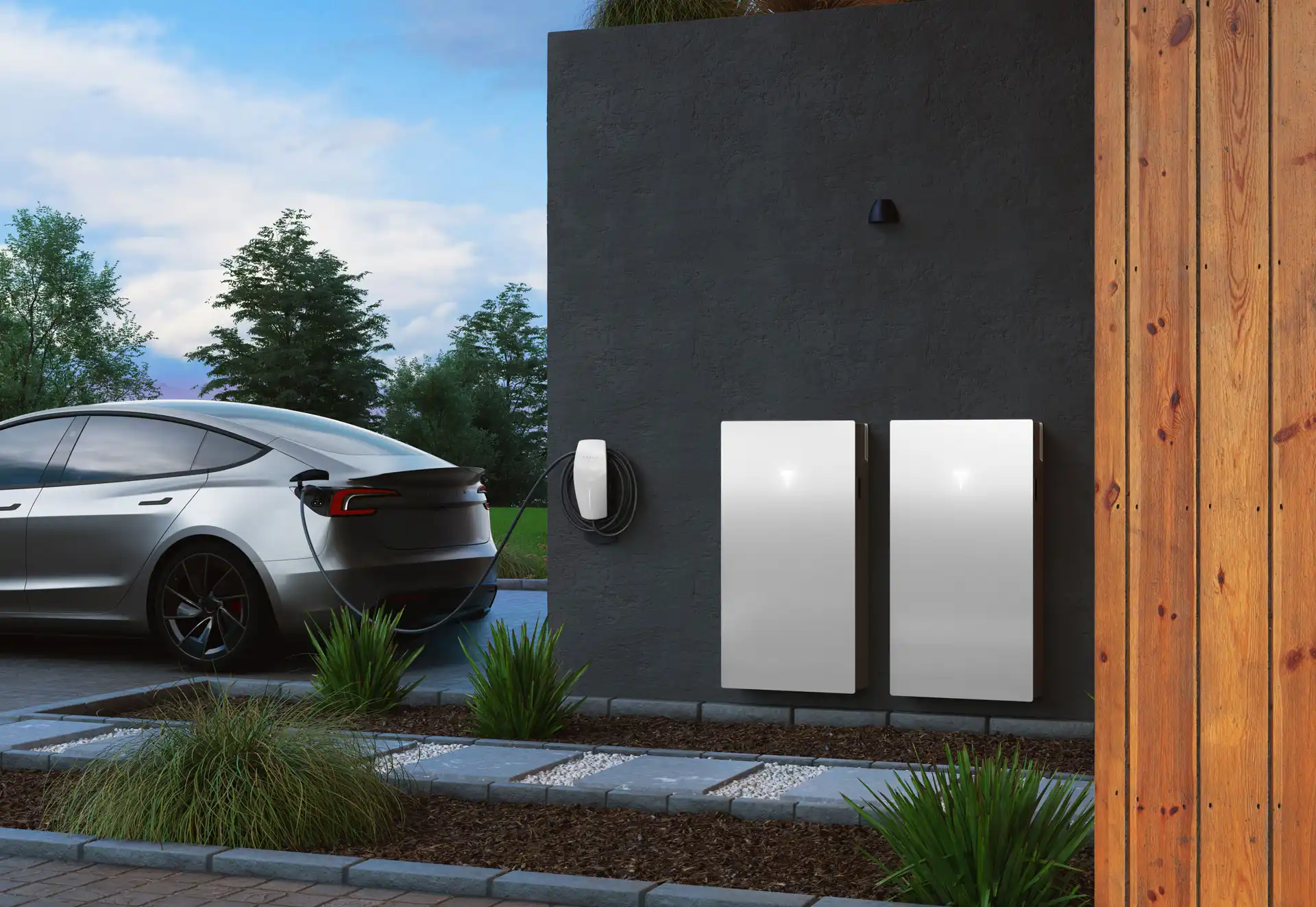
Instead, suitable external walls, garages or dedicated utility spaces are often preferred where they can be safely accessed for maintenance while reducing fire risk.
Good installation is about planning, not simply finding somewhere the battery fits.
Your Electricity Tariff Is Part of the System
A battery doesn’t save money on its own.
The savings come from how the battery is managed.
The right tariff can significantly improve the return on investment by allowing homeowners to:
- Charge when electricity is cheapest.
- Use stored energy during expensive periods.
- Export solar generation when feed in rates are attractive.
The best home battery storage systems are designed around both the technology and the electricity tariff, because the two now work hand in hand.
Not All Batteries Are Built the Same
From the outside, many battery systems look similar.
Internally, they’re very different.
Today’s most common chemistry is Lithium Iron Phosphate, commonly known as LFP, valued for its stability, long lifespan and strong safety profile.
Other technologies, including Sodium ion and NMC batteries, offer different advantages depending on the application.
Choosing the right battery isn’t simply about price. Safety, lifespan, operating temperature, warranty, performance and energy density all deserve consideration.
Quality Matters
Cheaper battery systems may reduce upfront costs, but they often sacrifice important features.
Higher quality systems typically provide:
- Better Battery Management Systems (BMS)
- More advanced safety protections
- Reliable monitoring apps
- Regular firmware updates
- Strong manufacturer support
- Longer product longevity
A home battery storage system is expected to operate for well over a decade, making long term reliability just as important as the purchase price.
Most Batteries Last Longer Than People Think
Battery technology has improved dramatically.
Many manufacturers now offer 10 year warranties, with batteries designed to complete thousands of charge and discharge cycles.
Like an electric vehicle battery, capacity gradually reduces over time rather than failing suddenly.
Even after ten years, many systems continue operating effectively while retaining a large percentage of their original capacity.
Backup Power Isn’t Automatic
One of the biggest surprises for new owners is discovering that a battery doesn’t automatically provide power during a blackout.
Backup capability requires additional hardware, usually a gateway or approved backup interface, that safely disconnects your home from the electricity grid before supplying power from the battery.
This is not simply a convenience feature. It is a critical safety requirement. If your battery continued exporting electricity onto the grid during a power outage, it could put utility workers repairing damaged power lines at serious risk.
If backup power is important for your household, make sure it is discussed during the design stage rather than assumed after installation.
Internet Connection Required? Not Quite
Another common misconception is that a battery won’t work if your internet goes down.
Fortunately, that’s not the case.
Most home battery storage systems will continue charging and discharging normally without an internet connection. What you may lose is remote monitoring, app control and some smart tariff functions until the connection is restored.
Your battery should continue doing its primary job, storing and supplying energy to your home.
Waiting for “Next Year’s Technology”
Battery prices continue to improve over time.
They probably always will.
But waiting indefinitely can also mean missing years of lower electricity bills, improved energy independence and protection against rising power prices.
The best time to invest in home battery storage isn’t necessarily when prices reach their lowest. It’s when the system delivers value for your home’s energy needs.
Home Battery Storage – The Bottom Line
Home battery storage isn’t simply about buying the biggest battery or accepting the cheapest quote.
A successful system is built around good design, quality components, safe installation and choosing the right electricity tariff.
For homeowners, asking the right questions before installation is often worth far more than chasing the latest technology or the lowest price.
My advice is always the same. Obtain at least three detailed quotes and compare what is actually included.
Many companies make their prices look more attractive by excluding expensive items such as backup gateways, monitoring equipment, switchgear, installation upgrades or ongoing support. The cheapest quote is often not the cheapest system once everything required has been added.
Buy on value, not just price. A properly designed home battery storage system should save you money for years to come, not leave you discovering expensive extras after you’ve signed the contract.
As always, consult an experienced registered electrician for all electrical work.
Related
Unraveling the Future of Renewable Energy
Renewable Energy Storage: Why Solid State Batteries are Finally Here
Are Silicon-Graphene Batteries the Next Mainstream Renewable Energy Storage Solution?