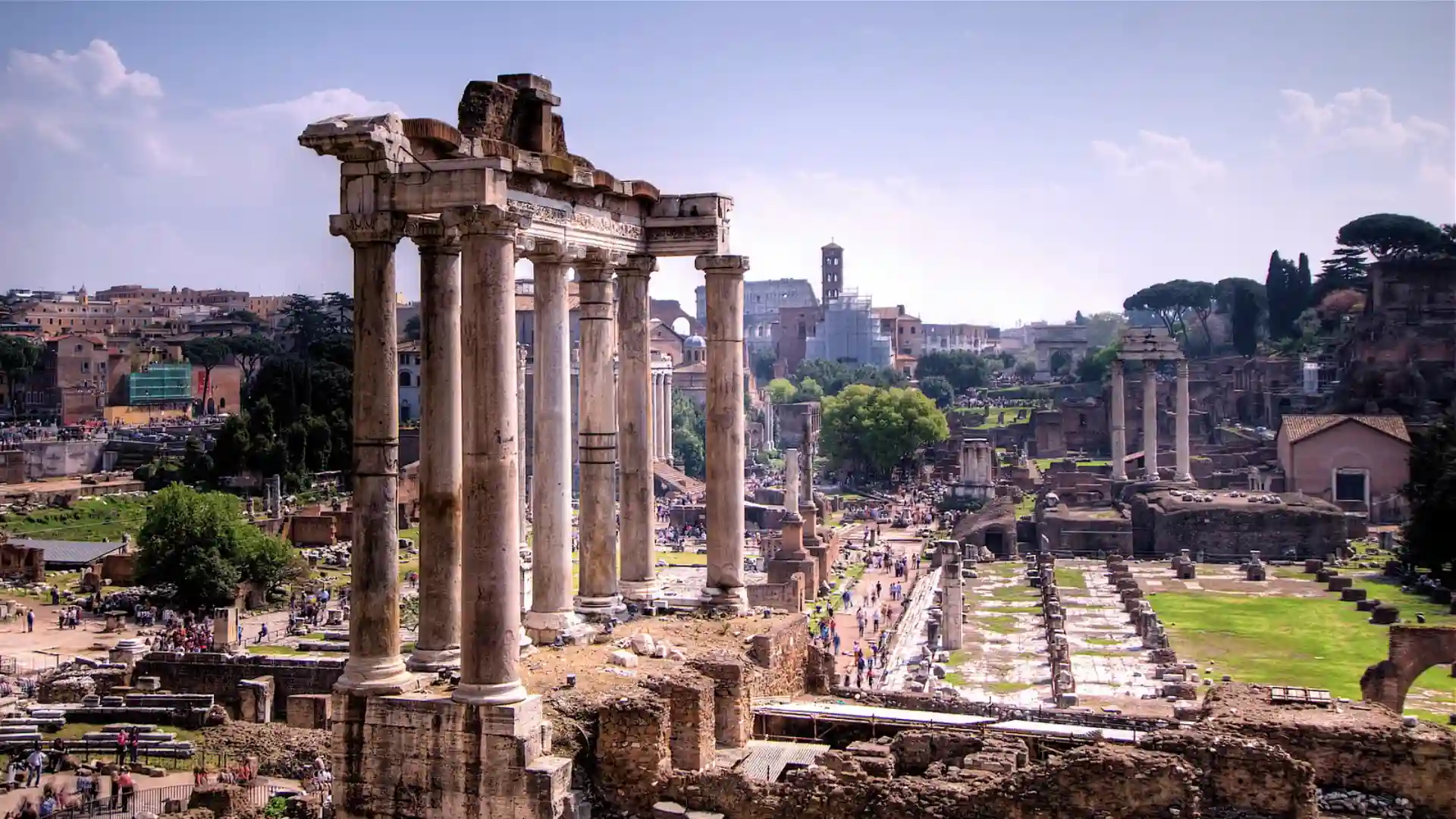
Living in New Zealand has given me plenty of time to think about what makes a place genuinely captivating. Yes, this country is stunning – the landscapes are breathtaking, and visitors aren’t wrong when they call it one of the world’s most beautiful county’s. But after 35 years in construction and building, and having travelled extensively, I’ve come to realise that natural beauty alone might not be enough.
I’m originally from the UK, and I get genuinely excited every time I return to Europe – and not just because I can finally get a proper curry and a warm beer! It’s because the historic architecture just amazes me. The history, the visual appeal that still makes modern architecture feel second-rate by comparison.
Nearly every country has its pockets of beauty. What struck me most powerfully, though, was standing in Rome’s Forum a few years back. Here were these ancient stones that genuinely moved me to emotion. Some might see rubble, but I see human ingenuity from an era without cranes or excavators – people creating something so magnificent it still humbles our modern achievements. The cultural layers, the stories embedded in those stones, the craftsmanship that speaks across millennia – that’s what transforms a place from merely pretty to truly profound.
This got me wondering: Are we building anything today that will inspire the same wonder in 500 years?
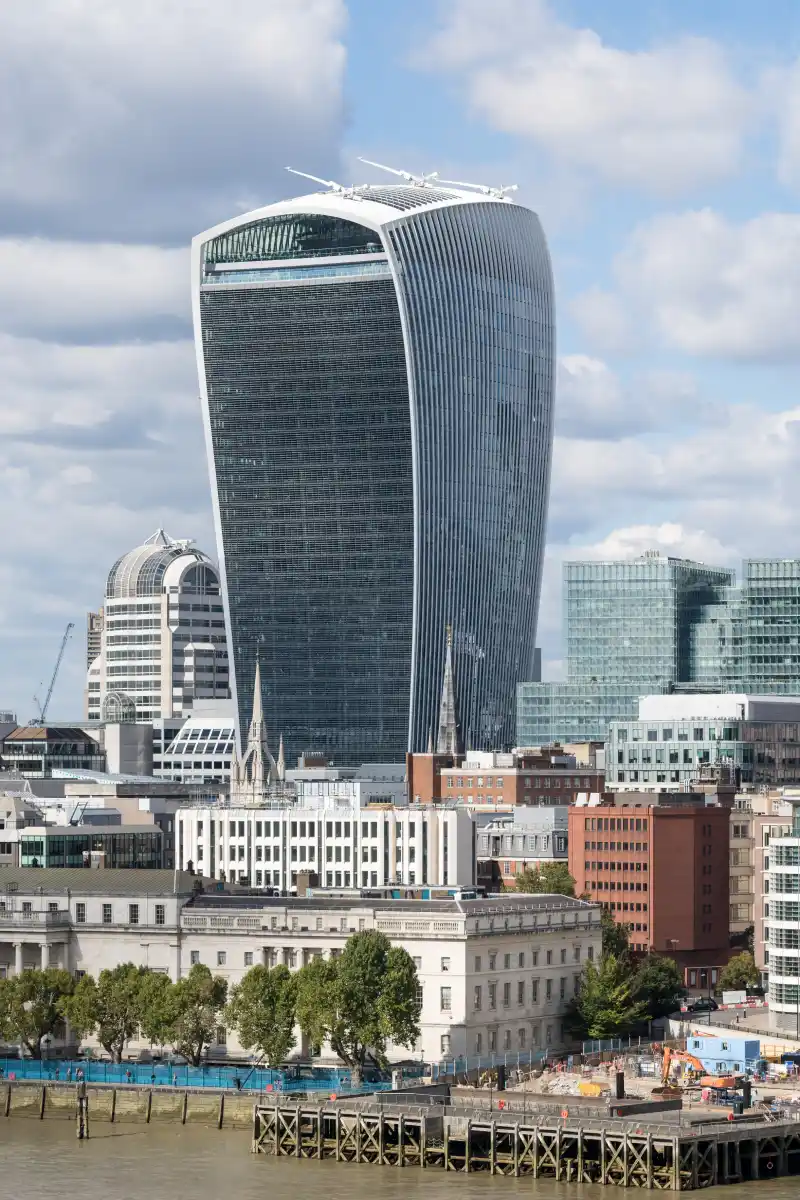
Even some of the top architecture firms around the world get it wrong – really wrong. Take London’s Walkie Talkie building, not only is it an eyesore (subjectivity aside), the glass facade would redirect the sun’s rays onto the footpath below – literally cooking pedestrians. There was obviously little thought about the form AND function here.
There’s something telling about how throughout history, invaders knew exactly what would wound a people most deeply – they’d tear down their monuments and architecture first. These weren’t just buildings; they were the physical embodiment of a culture’s identity, achievements, and soul. The fact that destroying architectural heritage was seen as such a powerful weapon shows just how much these structures meant to communities. They were architectural heritage in the truest sense.
Here’s where it gets interesting for New Zealand, and perhaps many newer nations. We have incredible natural assets – mountains, fjords, beaches that regularly top “world’s best” lists. But our architectural story is still being written, and honestly, we’re not writing it very thoughtfully. A “historic” building here is maybe 100 years old, often built more for function than beauty or cultural expression. We’re constructing new infrastructure and buildings with little apparent vision for creating places that might one day be treasured heritage.
Take our largest city, Auckland – we can’t even connect our busiest airport to the city centre by rail. I’ve seen developing nations with more inspired urban planning. We’re building, but are we building with intention? Are we creating places that will make people fall in love with more than just our scenery?
So here’s my real question: What creates the complete package – a place where both nature and human creativity combine to create something transcendent?
I think about Italy, where ancient Roman infrastructure enhances already beautiful landscapes. Or Japan, where traditional design philosophy creates harmony between built and natural environments through principles like wa (harmony) and ma (spatial awareness). Singapore demonstrates how modern nations can create distinctive architectural identity within decades through strategic urban planning and design guidelines. These places offer both visual feast and cultural depth because they’ve intentionally woven architecture into their cultural storytelling.
This isn’t about nostalgia or dismissing contemporary architecture – there are modern architects creating genuinely inspiring work that could become tomorrow’s heritage. But successful architectural legacy requires more than individual brilliance; it needs coordinated urban planning, design standards, and long-term cultural vision. Countries that build lasting architectural heritage don’t leave it to chance.
The question for countries like New Zealand – and perhaps for all of us building today – is this: How do we honour our natural gifts while creating built environments that add meaning rather than just function? How do we build not just for today’s needs, but for tomorrow’s wonder?
What makes a place truly beautiful? Is it enough to have stunning nature, or do we need that human creative element – architecture, urban design, cultural spaces – to create places that capture both the eye and the imagination?
Perhaps it’s time we started thinking more seriously about the legacy we’re leaving in stone and steel – and actually created some policy and design guides to make it happen.