
Foreword by Ian Thompson, Editor
Fiberglass insulation, commonly known as Batt Insulation is frequently used to insulate homes and commercial buildings, particularly in attics and walls. However, it comes with both advantages and disadvantages. In my opinion, the disadvantages outweigh the benefits, as there are in my opinion better, more sustainable, and natural products available in the market that are safer to install and use.
Let’s first discuss the advantages of fiberglass batt insulation. It is durable and can be recycled in some cases. When properly installed, it exhibits good thermal properties and offers decent fire resistance, along with some sound insulation benefits. Additionally, in certain international markets (not all), it is cheaper compared to more natural and sustainable alternatives.
However, the downside for me lies in the typical manufacturing process, which is neither sustainable nor energy-efficient. Most manufacturers use chemical binders, such as formaldehyde-based resins, to hold the glass together. Formaldehyde is a known respiratory irritant, raising health concerns during manufacturing and potentially throughout the lifespan of the insulation in your building. Fiberglass batts also tend to release pollutants during the manufacturing process. If you are considering using fiberglass batts in your building project, I recommend carefully checking the material specifications before making a purchase. I have also seen one manufacturer online supply fiberglass batts in a sealed plastic bag which mitigates some of the health issues, but that also means that the stud spacing’s have to be perfect for the sealed bag installation.
The primary reason I avoid using fiberglass batts in my builds is their potential to cause skin and respiratory irritation. They should not be used in buildings where attic ventilation heat recovery systems draw air from the attic space. Personally, when working on upgrades and maintenance in the attic space of my own homes, I prefer to ensure the safest environment, especially on hot days in cramped conditions by choosing healthier and more natural insulation products because I’m breathing in that stale air. However, this is solely my personal preference and should not unduly dissuade you from considering fiberglass batts.
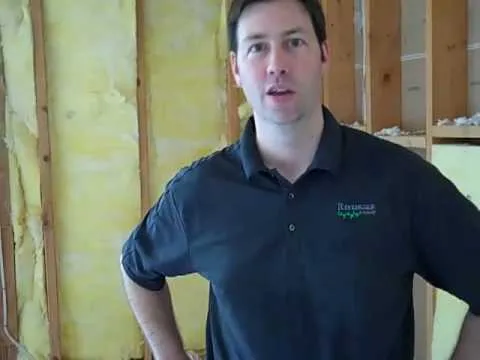
Matt’s video is quite a few years old, 13 years in fact, but there are some important considerations that he addresses that are as relevant today as they were when he recorded this video. Over to a younger Matt Risinger from The Build Show.
Batt Insulation Is Less Than Ideal
Matt’s a big fan of spray foam insulation and this video will show you why. We’ve been insulating homes in the USA with fiberglass batts for a long time but it’s really a tough product to use in our less than perfectly stud bays. This 10 year old house will highlight the issues with this form of insulation. – Matt Risinger
Video Transcript:
Hey, this is Matt Risinger, your host for Home’s Welcome, my video blog on green building and building science. I’m here on a remodel project in Silver with Austin called Wesley. This is not a very old home that we’re doing some remodeling on. The house is only about 10 years old, but we ran into some insulation issues. On this ‘old’ house, I should say, as we’ve been doing some demo work. And I thought I’d do a quick video post on why I don’t like traditional batt fiberglass insulation.”
“As you can see, this is where a corner fireplace used to be that we’re moving around, and this has unfaced fiberglass in here. One problem that we immediately noticed, if you pan up to the top here, bunch of gaps up there, just never got insulated. So that was a huge heat gain for the house. But then, the other big problem with fiberglass insulation, in the back insulation that is, is that you really need a near-perfect insulation to get anywhere near the R-value. And look at this, they just stuffed this in there willy-nilly. We just ripped the sheetrock off, and you can see now what it looks like, just a really bad install of this insulation in here.”
“This one wasn’t too bad, but look at this around trying to fit around this wiring, and this vent, it’s just a terrible installation. Huge gaps right there. And then, when you’ve got beams or odd-shaped cavities, things just do not go very well. Look at this, just stuff in there. Same thing with wire penetrations, where this wire is coming through, there’s a huge void back in this corner here. Just really not a good install.”
“The other thing I do want to mention, too, is that in this hot humid climate of Austin, Texas, we always want to have our vapor barriers on the outside of our house, not on the inside. There are condensation issues. And let’s walk over to one other spot in the house, but I’ll show you where we had some issues as well. This is a vapor barrier of polyethylene, which you see a lot. 10 years ago, we employed this. This was a mistake. You do not want to put a vapor barrier on the inside of your house. We’ve seen a lot of issues with mold in this particular area. But we did actually find some mold issues in this corner, which is a valley in this house. And when we peeled this plastic off, you can see this plastic is not helping things at all. Again, another terrible install of this insulation. There’s really basically no insulation behind this 2×6 here. I’m not even sure what that 2×6 is doing, but because of this leak, well, you can see this stuff in here. This OSB sheathing is totally rotted. Look at that, that’s your OSB sheathing after being soaked for who knows how long. So we’ve got to get this leak figured out.”
“But really, the main purpose of my post today was to say avoid fiberglass batt insulation if you can. We like the blown-in fiberglass with the blown-in system, where you basically take the skill of the installer away, and it’s really hard to make a mistake. We also like spray foam for that reason too because you don’t have to necessarily be a super skilled spray foam installer to get the full insulation value. But with fiberglass bats, you need a near-perfect install, and this was far from it. Thanks for joining me today. Have a good afternoon.
Related Posts:
Exterior Insulation – What NOT to do! (And the Correct Way)
External Youtube related post: 7 reasons I used Rockwool insulation at my house.