The Evolution of Building Codes vs. Building Quality
Building codes around the world have evolved significantly over the years. What began as directives focused primarily on structural safety now encompass building performance, sustainability, and more. Yet all these advancements mean little if we can’t consistently build to the required standards that make these design considerations valuable.
Last week, I came across a LinkedIn post discussing the alarming frequency of substandard construction discovered by a well-known building inspector who documents his findings on YouTube. Here’s a link to one of his videos:
Link to YouTube Channel
Several comments on this LinkedIn post confidently stated, “It’s lucky we don’t experience this appalling level of building quality in New Zealand.”
I wish I could agree. After more than three decades working in the building industry across three continents, I can sadly confirm that New Zealand’s construction quality is no exception to global building quality or inefficiency problems. More concerning still, I’ve observed standards gradually declining over time rather than improving in most countries I’ve regularly visited for work.
The Airtight Challenge
Today’s building code in New Zealand calls for airtight homes, which means the white boxes we call rooms need to be constructed with exceptional precision. Every item needs to be installed properly, with no rubbish, gaps or other defects.
There are also factors working against even the most skilled trades. Materials don’t always behave as expected, for example, wet treated timber tends to twist and crack as it dries, pulling walls out of alignment and sometimes breaking interior linings where materials like plasterboards abut oneanother.
To suggest that any country is immune to poor building practices is naive. Those making such claims have likely never set foot on an actual construction site.
This is also why many people who set out to build their own home never do it again. It’s never easy.
Building Mistakes: An Inevitable Reality
Mistakes happen on every construction site – it’s inevitable. The wrong product gets ordered, quantities fall short, materials end up in incorrect locations, or plans are misinterpreted. I’ve found one golden rule holds true: the more complex the design, the more mistakes will occur.
I’ve always appreciated the KISS principle: Keep It Simple, Stupid. Simpler builds are in theory easier to build, reduce interpretation errors, and minimize opportunities for mistakes. But fundamentally all errors boil down to one thing: people.
Who I Recommend Building Your New House
Based on my personal experience, I recommend choosing an experienced owner-builder as your main contractor – ideally, a company that has operated under the same entity for more than ten years. Why? Because some building companies close their doors after a problematic project and reopen under a new name the very next day, effectively eliminating responsibility for past issues. This is far too easy to do in New Zealand, and costs nearly nothing to do.
Conversely, I generally steer clear of group home builders, particularly franchise operations. Many franchisees emerge with no prior construction experience, subcontracting trades at fixed prices that often fall below market rates. These franchise owners must adhere to strict corporate practices designed to generate substantial profits for many parties – but rarely benefiting those actually building the house.
This arrangement creates problematic incentives. Tradespeople rush to complete their work with minimal interactions, eager to leave the site and collect payment. If they must return to fix an issue, they’re typically doing so without compensation – an unsustainable business model for any tradesperson.
Problems that can be concealed often are. Furthermore, I’ve rarely seen group home builders use high-quality, sustainable building materials – they typically opt for cheaper alternatives and build to code minimum standards.
Most stories I hear about dissatisfied customers involve group home builds, with some companies having particularly poor reputations. I’m not saying all group home builders should be avoided, as some do good work. However, don’t trust television advertisements and hyped testimonials. Conduct thorough due diligence: speak with previous customers in your building area, ask whether their project went according to plan, how problems were resolved, if the site was kept tidy and organized, and whether they were permitted to inspect the quality themselves.
Interestingly, some builders won’t allow you on your own property, citing safety concerns – though other motives are usually at play.
I stress this reflects my personal opinion and reasoning for my avoidance of group home builders. Ultimately, the choice is yours, and with luck, you might secure a well-built home at a fair price.
A Tale of Woe: A $2.4 Million Disappointment
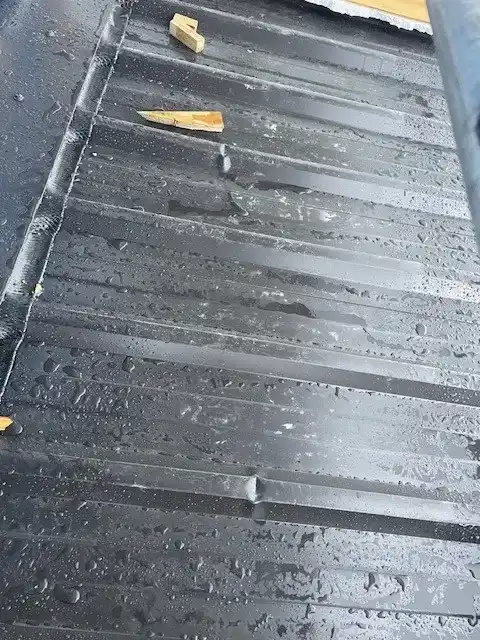
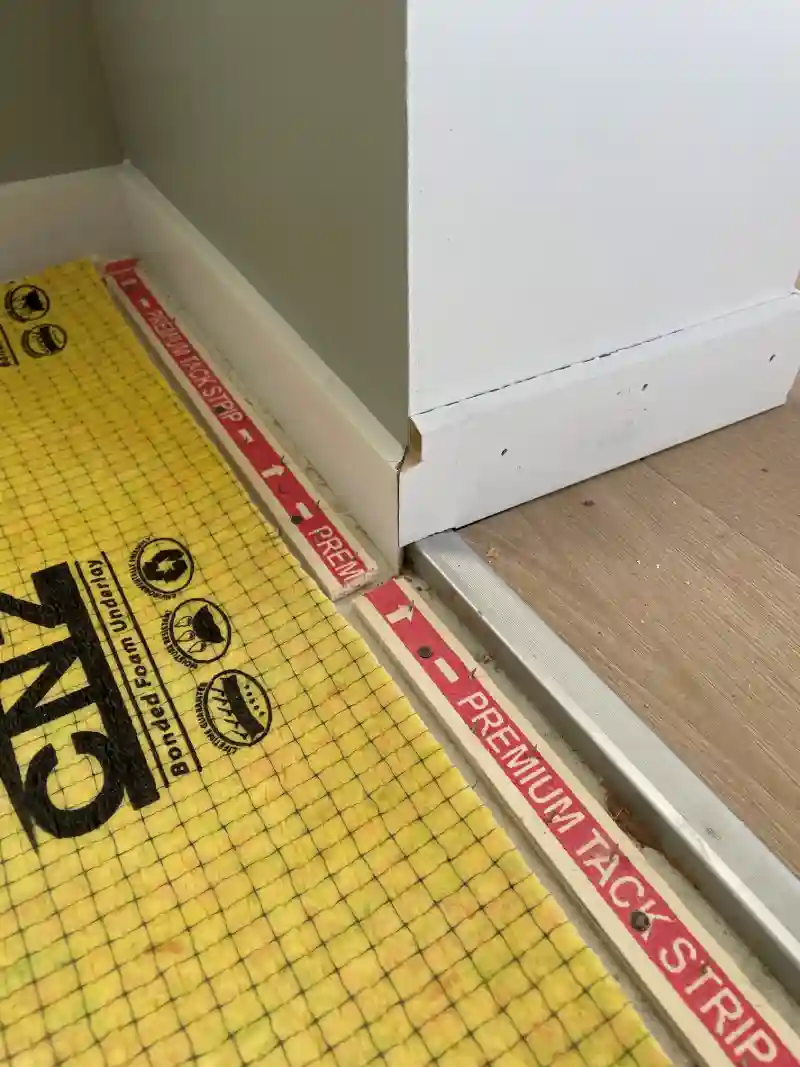

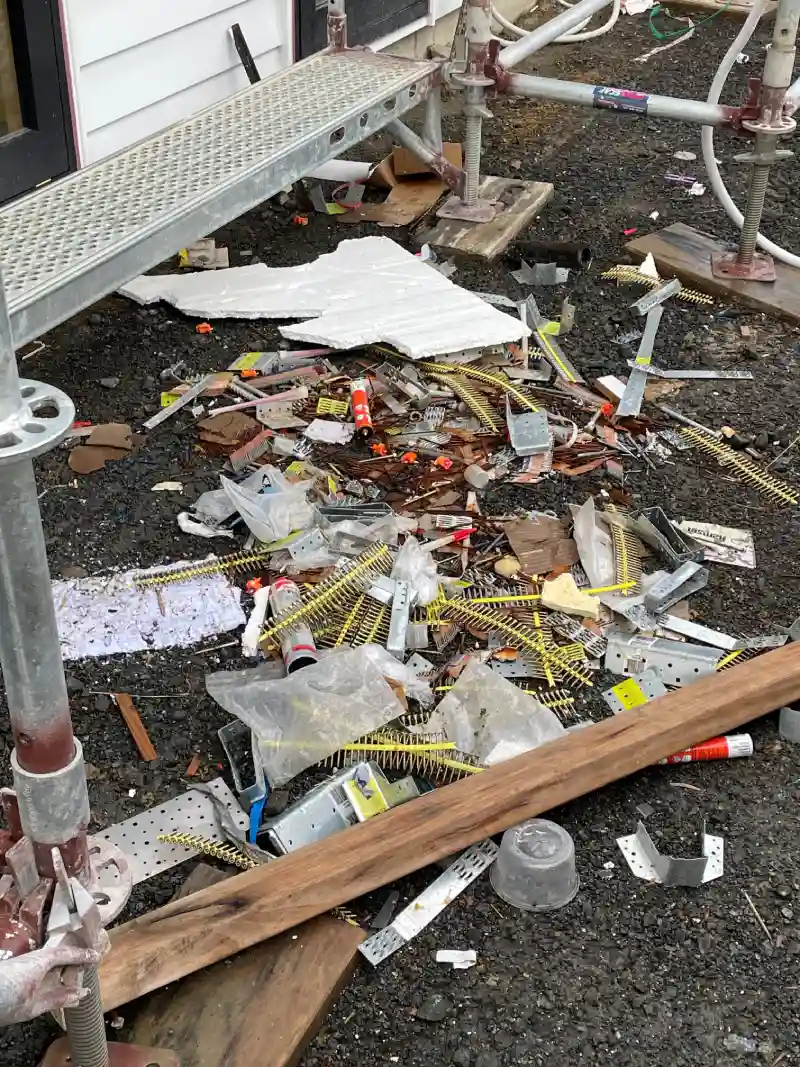
To illustrate these concerns, let me share a recent experience from a new friend who built in Long Bay on Auckland’s North Shore. His land and build package cost approximately $2.4 million on a small section. The house I believe to be around 280m2 – so I believe the cost to be between 5,000 and 6,000 per square meter for his timber framed house – which is not cheap in anyone’s books. He even contributed his professional electrical services for free to the project.
His experience was profoundly disappointing. Though I’ll refrain from naming and shaming the group home builder responsible, I’m happy to share this information privately with anyone planning to build in the area. Contact us here.
My friend encountered numerous challenges, including heated disputes about construction quality. His top ten problems included:
- Complete roof replacement due to poor workmanship and care
- Walls not straight or true
- Skirting boards not fitting walls properly
- Leaks from the roof into the kitchen and entrance due to poor workmanship
- Cracked main water pipe (run over during construction) with inadequate repairs
- Improper site security resulting in theft
- Objects including tools left under laid carpet, causing unexplained bumps
- Extremely messy and unsafe site conditions
- Overcharging for water storage solutions
- Missed guaranteed completion dates
Building Better
The lesson here isn’t that all builders are problematic, but rather that careful selection, diligent research, and maintaining high standards throughout the process are essential when embarking on a construction project.
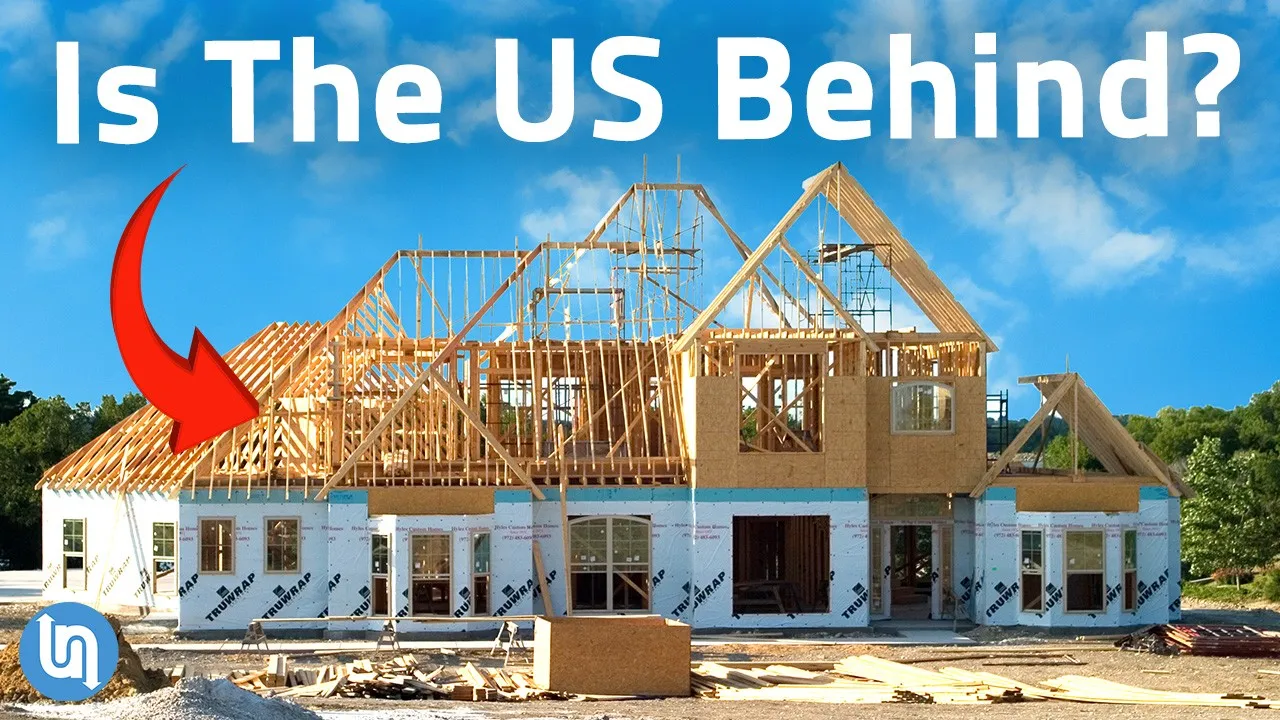
As building codes continue to advance, we must ensure our actual building practices keep pace. There are many alternative ways of building that guarantee better results, but many countries’ building industries are slow to evolve. Many building professionals agree with me when I say that New Zealand is at least three decades behind Western Europe in building methods, quality, and practices.
For those considering a new build, remember that you really do need to do your homework on who you use to design and build your home. Choosing the right design and build team can save you hundreds of thousands of dollars, as well as deliver you a better quality, higher performing, and healthier home.